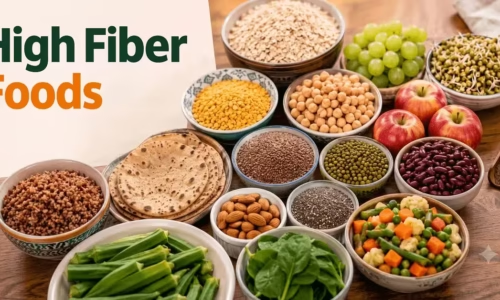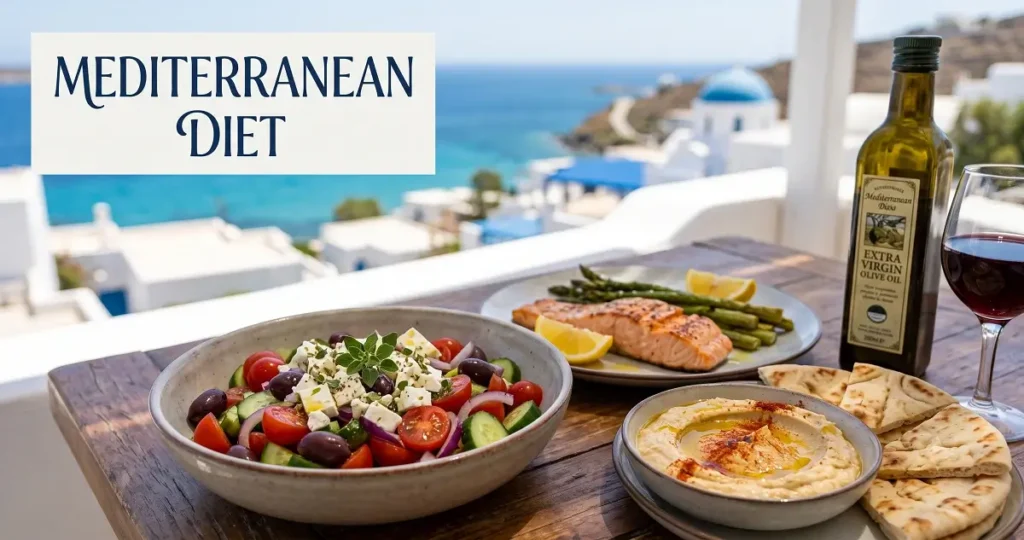
The Mediterranean Diet is more than a list of foods. It is a simple eating pattern built around vegetables, fruits, beans, whole grains, nuts, seeds, fish, herbs, and healthy fats such as olive oil. If your daily meals feel too heavy, processed, or hard to plan, this approach gives you a practical way to build better plates without giving up enjoyable food. Current American Heart Association guidance also supports a heart healthy pattern that emphasizes vegetables, fruits, whole grains, healthy proteins, unsaturated fats, and minimally processed foods.
What Is the Mediterranean Diet and Why Has It Become So Popular?
The Mediterranean Diet is based on traditional eating habits found across countries bordering the Mediterranean Sea. It does not mean eating only Greek or Italian food. Instead, it focuses on a pattern where plant foods form the foundation, fish and seafood appear regularly, dairy and poultry are eaten in moderate amounts, and red meat and sweets are less common.
The appeal is easy to understand:
- More vegetables and fruit
- More whole grains and beans
- Olive oil instead of many saturated fats
- Fish and seafood regularly
- Smaller amounts of red meat
- Fewer highly processed foods
- Meals enjoyed slowly and socially
This makes the Mediterranean Diet feel less like a strict diet and more like a way to change what your normal plate looks like.
What Does a Mediterranean Diet Consist Of?
A traditional Mediterranean diet centers on vegetables, fruits, whole grains, beans, lentils, nuts, seeds, and olive oil. Fish and seafood are common protein choices, while poultry, eggs, and dairy can appear in moderate amounts. Red meat and processed meat are usually eaten less often, and sweets are treated as occasional foods rather than daily staples.
The main fat source is usually olive oil, which provides mostly unsaturated fat. The pattern also brings plenty of fiber from vegetables, fruit, legumes, and whole grains. That combination can make meals filling without relying heavily on refined carbohydrates or highly processed foods.
What Are the 12 Key Ingredients of the Mediterranean Diet?
There is no single official list of exactly 12 foods that everyone must eat. However, the main food groups behind the Mediterranean Diet are easy to identify. Vegetables, fruits, whole grains, beans, legumes, nuts, seeds, olive oil, herbs, spices, fish, and seafood are among its central foods.
Useful staples include:
- Extra virgin olive oil
- Tomatoes
- Leafy greens
- Beans
- Lentils
- Whole grains
- Nuts
- Seeds
- Fresh fruit
- Herbs and spices
- Fish
- Seafood
The Mediterranean Diet Pyramid Explained in a Simple Way
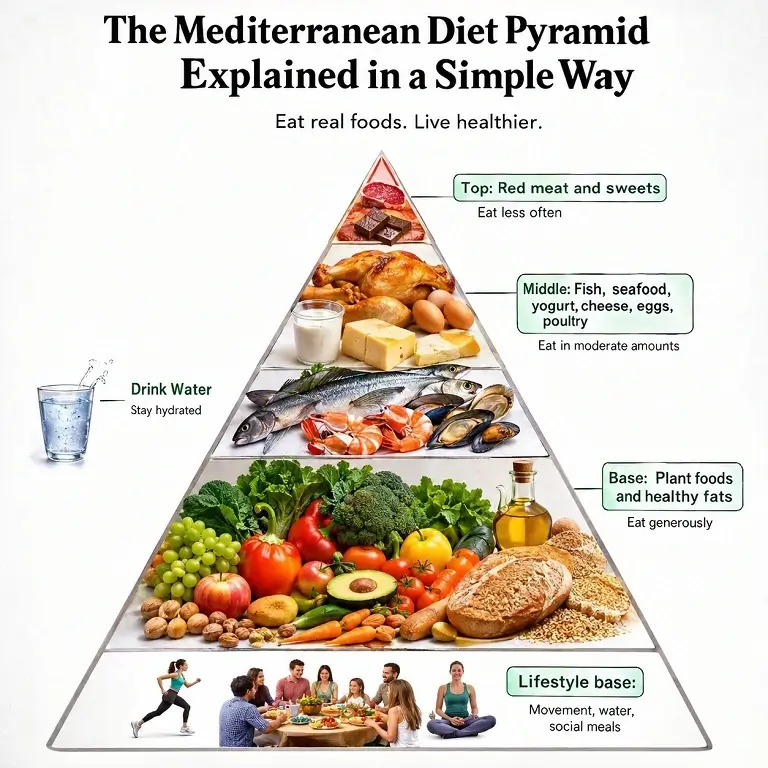
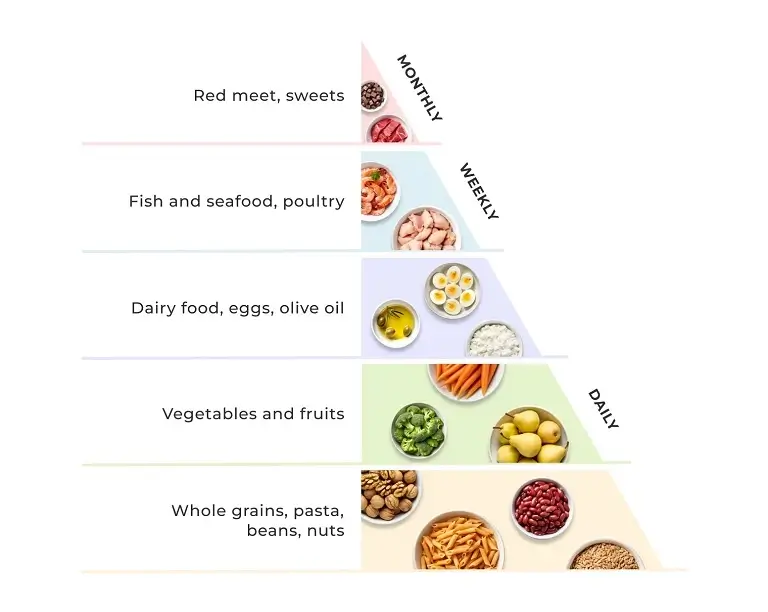
The Mediterranean Diet Pyramid puts lifestyle at its foundation, including physical activity and enjoying meals with other people. At the food base are vegetables, fruits, whole grains, beans, nuts, seeds, olive oil, herbs, and spices. Fish and seafood are encouraged often, while poultry, eggs, yogurt, and cheese are used in moderate amounts. Meat and sweets sit near the top because they are eaten less often.
Think of the pyramid as a shopping reminder rather than a strict rulebook:
- Base: Plant foods and healthy fats
- Middle: Fish, seafood, yogurt, cheese, eggs, poultry
- Top: Red meat and sweets
- Lifestyle base: Movement, water, social meals
Health Benefits: Why Is the Mediterranean Diet Good for You?
The Mediterranean diet is well known for supporting heart health and overall well-being. It focuses on vegetables, fruits, whole grains, legumes, nuts, seeds, olive oil, and fish, which provide fiber, vitamins, minerals, and healthy fats. Studies suggest that this eating pattern may help support healthy blood pressure, cholesterol, blood sugar, and metabolic health. It also encourages eating fewer processed foods, sugary drinks, and processed meats, which can benefit heart health. Overall, the Mediterranean diet is a simple, balanced way to build healthier eating habits for long-term wellness.
Is the Mediterranean Diet Anti-Inflammatory and Helpful for Long-Term Health?
The Mediterranean Diet includes many foods that provide fiber, antioxidants, vitamins, minerals, and unsaturated fats. Fruits, vegetables, nuts, seeds, whole grains, herbs, and olive oil can all contribute to a nutrient-rich eating pattern. Research has linked greater adherence with improvements in several markers of metabolic health, although diet should not be treated as a cure for inflammatory diseases.
For everyday eating, focus on:
- Colorful vegetables
- Beans and lentils
- Whole grains
- Nuts and seeds
- Olive oil
- Fish
- Herbs instead of relying heavily on salt
The bigger picture matters. One salad will not transform your health, but repeating better choices for months can create a meaningful change.
Is the Mediterranean Diet Good for People With Diabetes?
A Mediterranean style pattern can fit well into a diabetes friendly eating plan because it emphasizes vegetables, legumes, whole grains, nuts, fish, and minimally processed foods. These foods can provide fiber and help replace refined carbohydrates and sugary foods. Research also links the Mediterranean pattern with improvements in glucose and insulin related measures.
Still, having diabetes does not mean every Mediterranean food can be eaten without limits. Portion size and total carbohydrate intake still matter. Someone using insulin or other glucose lowering medicines should work with a qualified health professional before making major changes to their diet.
Mediterranean Diet for Fatty Liver and Menopause: What Should You Know?
A Mediterranean-style eating pattern may also be useful when managing broader metabolic health concerns, including fatty liver. Research reviews have found links between greater Mediterranean Diet adherence and improvements in body weight, waist size, blood lipids, glucose control, and inflammation in people with metabolic conditions.
During menopause, food choices can also support overall heart and metabolic health. Build meals around:
- Vegetables and fruit
- Beans and lentils
- Whole grains
- Fish
- Nuts and seeds
- Yogurt or other suitable dairy foods
- Healthy oils
The diet is not a treatment for menopause or fatty liver on its own. Your health history, medicines, activity level, sleep, and medical advice all matter.
Does the American Heart Association Recommend a Mediterranean-Style Diet?
Yes, the American Heart Association recognizes Mediterranean-style eating as one pattern that aligns well with heart-healthy dietary principles. Its updated 2026 guidance emphasizes an overall dietary pattern rather than relying on one food or nutrient. Key features include eating plenty of vegetables and fruits, choosing mostly whole grains, selecting healthy protein and unsaturated fats, and limiting added sugar, sodium, and highly processed foods.
The 2026 guidance also stresses that heart-healthy eating should continue throughout life. That is important because a healthy diet works best when it becomes part of your normal routine, not a short challenge you follow for two weeks.
Mediterranean Diet Food List: High, Moderate, and Low Intake Foods
The easiest way to understand the Mediterranean Diet food list is to think about frequency instead of banning foods. Foods such as vegetables, fruit, whole grains, beans, nuts, seeds, olive oil, herbs, and spices should appear often. Fish and seafood are commonly encouraged at least twice a week, while dairy and poultry are generally moderate and red meat and sweets are less frequent.
| Food group | How often (Real life) | Examples & Notes |
| Vegetables | With almost every meal | Handfuls of spinach, cherry tomatoes for snacking, bell peppers for crunch, and roasted broccoli. |
| Fruit | Daily, usually as a quick snack | Grabbing an apple, some oranges, fresh berries for my morning oats, or green grapes. |
| Whole grains | Most days | My regular morning bowl of oats, a side of brown rice, or whole wheat toast. |
| Beans and lentils | A few times a week | Throwing some chickpeas in a salad, kidney beans, or a warm bowl of home-cooked dal. |
| Nuts and seeds | A small daily handful | Munching on raw almonds and walnuts, or sprinkling chia seeds on my food. |
| Olive oil | My go-to for almost everything | Drizzled over fresh salads and used as my main oil for everyday pan-cooking. |
| Fish and seafood | Maybe twice a week | A nice baked salmon fillet for dinner, or just mixing up some quick canned tuna. |
| Yogurt and cheese | Every now and then | A scoop of plain Greek yogurt, or some crumbled feta sprinkled on top of veggies. |
| Poultry and eggs | A few times a week | Grilled chicken breast, or whipping up a quick scrambled egg in the morning. |
| Red meat | Rarely, mostly on weekends | A nice steak when eating out, or some slow-cooked lamb for a special meal. |
| Sweets | Only for cravings / occasional | A piece of cake at a birthday, a bit of candy, or treating myself to a Sunday pastry. |
Mediterranean Diet Grocery List: Your Simple Shopping Guide
A good Mediterranean Diet grocery list does not need to be expensive or complicated. Start around the outside of the grocery store, where you will often find fresh produce, fish, dairy, and other basic foods. Then add useful pantry staples such as beans, lentils, oats, brown rice, whole wheat products, nuts, seeds, and olive oil.
Try this starter list:
- Spinach, carrots, tomatoes, cucumbers, broccoli
- Apples, oranges, berries, bananas
- Chickpeas, lentils, kidney beans
- Oats, brown rice, whole wheat bread
- Walnuts, almonds, pumpkin seeds
- Extra virgin olive oil
- Plain yogurt
- Eggs
- Sardines, salmon, tuna, or local fish
- Garlic, basil, oregano, cumin, turmeric, and pepper
A well-planned grocery basket makes healthy meals much easier when you are tired or short on time.
What Foods Are Not Allowed on the Mediterranean Diet?
Strictly speaking, there is no universal list of foods that are completely forbidden. The Mediterranean diet is a pattern, not a rulebook. Still, foods that are high in added sugar, refined carbohydrates, sodium, saturated fat, and heavy processing should take up less space in your everyday diet.
That includes sugary drinks, many packaged sweets, processed meats, frequent fast food meals, and heavily processed snack foods. You do not have to panic if you eat a burger or enjoy cake at a family celebration. The better question is whether these foods are occasional treats or the main part of your weekly diet.
Mediterranean Diet Vegetarian Options for Indian and Global Families
You do not need meat or fish to follow a Mediterranean Diet. Beans, chickpeas, lentils, peas, nuts, seeds, whole grains, vegetables, yogurt, and eggs can provide plenty of meal options for vegetarians. Indian cooking also gives you a strong starting point because dal, chickpeas, vegetables, whole grains, herbs, and spices already fit naturally into the pattern.
Try meals such as:
- Chickpea and cucumber salad
- Lentil soup with whole grain bread
- Vegetable and bean bowls
- Greek-style yogurt with fruit and nuts
- Brown rice with roasted vegetables
- Hummus with whole grain pita
- Lentil and tomato stew
How to Create a Mediterranean Diet Meal Plan Without Making It Complicated
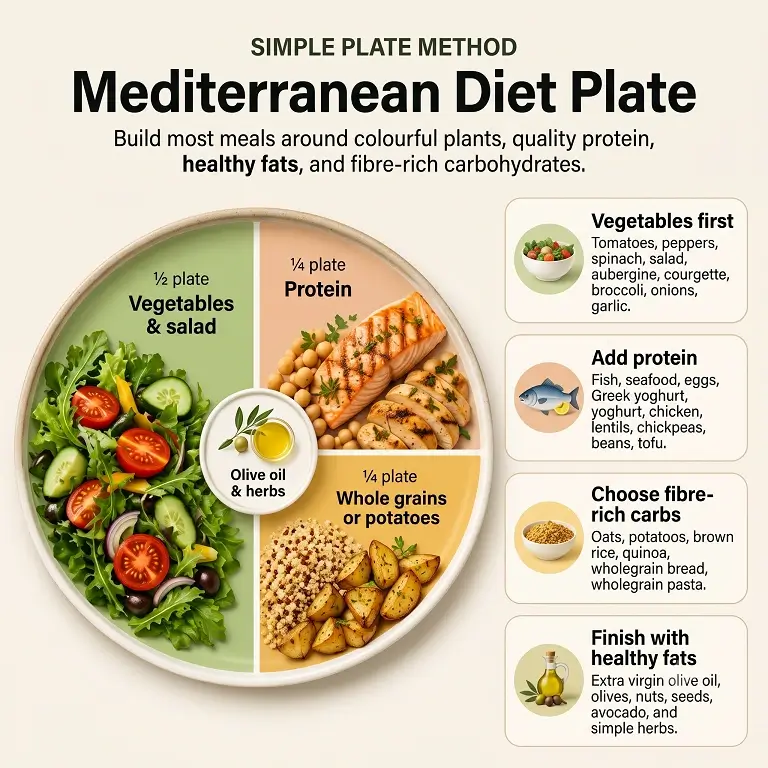
Meal planning becomes easier when you stop thinking about seven completely different recipes. Instead, cook a few basic foods and mix them through the week. Prepare vegetables, beans, grains, a protein source, and a simple dressing, then combine them in different ways.
A useful formula is:
Vegetable + whole grain or legumes + protein + healthy fat + fruit
For example, roasted vegetables can become a lunch bowl one day and a side for grilled fish the next. This saves time, reduces food waste, and makes healthy eating feel much more realistic.
A 7-Day Mediterranean-Style Diet Meal Plan for Breakfast, Lunch, and Dinner
| Day | Breakfast | Lunch | Dinner |
| Monday | Oats, berries, walnuts | Chickpea salad | Grilled fish, vegetables, brown rice |
| Tuesday | Plain yogurt, fruit, seeds | Lentil soup and whole grain bread | Chicken, salad, roasted vegetables |
| Wednesday | Whole grain toast and egg | Mediterranean chicken salad | Bean and vegetable stew |
| Thursday | Oats, banana, almonds | Hummus and vegetable wrap | Baked fish and greens |
| Friday | Yogurt, fruit, walnuts | Lentil and grain bowl | Chicken, tomato salad, vegetables |
| Saturday | Egg, tomato, whole grain toast | Chickpea and cucumber bowl | Vegetable pasta with olive oil |
| Sunday | Fruit, yogurt, oats | Bean salad and whole grain bread | Fish, roasted vegetables, brown rice |
Mediterranean Diet Breakfast Ideas That Are Quick and Family-Friendly

Breakfast does not need to be fancy. Mediterranean Diet breakfast ideas can be as simple as oats with fruit and walnuts, plain yogurt with berries and seeds, or whole grain toast with eggs and tomatoes. The goal is to start your day with foods that provide useful nutrients rather than relying on sugary breakfast products.
Easy options include:
- Oatmeal with banana and walnuts
- Plain yogurt with berries and seeds
- Whole grain toast with egg and tomato
- Fruit with unsweetened yogurt
- Vegetable omelet with whole grain toast
- Overnight oats with nuts and fruit
If your mornings are rushed, prepare oats, boiled eggs, or chopped fruit the night before.
Mediterranean Diet Lunch Ideas Featuring a Fresh Mediterranean Chicken Salad
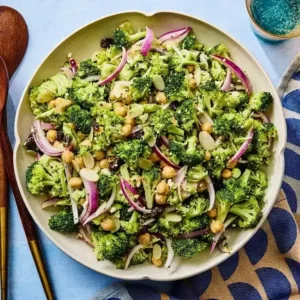
A Mediterranean Diet lunch can be filling without being heavy. A Mediterranean chicken salad is a great example because you can combine grilled chicken with lettuce, cucumber, tomatoes, chickpeas, olives, herbs, and a simple olive oil and lemon dressing. Add a small portion of whole grain bread or brown rice if you need more energy.
A simple lunch formula is:
- Protein: Chicken, chickpeas, lentils, or fish
- Vegetables: Tomato, cucumber, greens, peppers
- Healthy fat: Olive oil, olives, nuts, or seeds
- Whole grain: Brown rice, whole wheat bread, or bulgur
- Fruit: Orange, apple, berries, or another seasonal choice
This kind of meal is easy to pack for work too.
Mediterranean Diet Dinner Recipes That Keep Healthy Eating Interesting
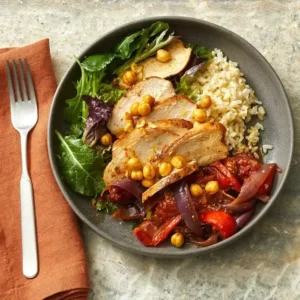
Dinner is where variety can keep the Mediterranean Diet from becoming boring. Try baked fish with lemon and herbs, chicken with roasted vegetables, lentil stew with tomatoes, or whole grain pasta tossed with vegetables and olive oil. Herbs and spices can add flavor without making every meal depend on large amounts of salt or heavy sauces.
A few simple dinner combinations include:
- Baked fish + roasted vegetables + brown rice
- Chicken + tomato cucumber salad + whole wheat bread
- Lentil stew + greens + yogurt
- Whole grain pasta + vegetables + beans
- Chickpea bowl + roasted peppers + herbs
The best dinner is one your family will actually enjoy and make again.
Mediterranean Diet Snacks and Desserts

For dinner, think roasted, grilled, baked, or gently cooked rather than heavily fried. Try baked fish with vegetables, lentil stew, whole grain pasta with tomato and vegetables, or chicken with a large salad and beans.
For snacks, fruit, nuts, plain yogurt, hummus with vegetables, or a small portion of whole grain food can work well. Dessert can be as simple as fresh fruit with yogurt and a few nuts. You do not need to remove every sweet food from your life. The aim is to make naturally nourishing foods the normal choice.
Mediterranean Lifestyle, Tips and Resources
Food is only part of the Mediterranean lifestyle. Meals are often treated as social occasions rather than something to rush through alone. Walking and other daily movement can also fit naturally into the routine.
You can bring this idea into your own home without copying every tradition. Eat with your family when possible. Put your phone away for part of the meal. Take a walk after dinner. Cook a simple meal together on the weekend. Small habits add up.
Mediterranean Lifestyle and Eating Behaviors: Food Is Only One Part
The traditional Mediterranean lifestyle includes more than ingredients. The Mediterranean Diet Pyramid also highlights physical activity and the social side of eating. Sharing meals with family or friends, eating at a slower pace, staying active, and making food part of daily life can help turn healthy eating into a sustainable habit.
Simple lifestyle habits include:
- Walk regularly
- Eat meals without rushing
- Share meals with family
- Cook at home when possible
- Drink water throughout the day
- Spend less time sitting
- Enjoy seasonal foods
A healthy lifestyle should fit your real life. It should not feel like another chore.
5 Tips to Make Your Current Diet More Mediterranean
You do not have to completely change your kitchen overnight. Small swaps can make a surprisingly big difference.
- Eat more fruit and vegetables: Add one extra serving to meals you already eat.
- Have meat-free days: Build meals around beans, lentils, vegetables, and whole grains.
- Stop mindless snacking: Ask whether you are hungry before reaching for packaged food.
- Try fusion cooking: Give familiar Indian, Asian, or Western meals a Mediterranean twist.
- Go without wine: Wine is not required. The 2026 AHA guidance says people who do not drink alcohol should not start for health reasons.
How Does the Mediterranean Diet Compare With Other Popular Diets?
The Mediterranean Diet stands out because it focuses less on strict food rules and more on an overall eating pattern. Unlike very low-carbohydrate plans, it does not require you to remove whole grains or fruit. Unlike highly restrictive diets, it allows a wide range of foods while encouraging better portions and frequency.
| Diet | Main focus | Flexibility |
| Mediterranean | Whole plant foods, fish, healthy fats | High |
| Low-carb | Reducing carbohydrates | Moderate |
| Keto | Very low carbohydrate intake | Lower |
| Vegetarian | Avoiding meat | Moderate |
| DASH | Heart and blood pressure health | High |
Finding the Best Mediterranean Diet Cookbook for Your Family
The best Mediterranean Diet cookbook is not necessarily the one with the most recipes. Look for a book that uses ingredients you can find locally, gives clear serving guidance, includes quick meals, and explains basic cooking methods. If you live in India, a cookbook that depends heavily on rare imported ingredients may be less useful than one that teaches adaptable Mediterranean-style meals.
Look for:
- Simple ingredients
- Family-sized recipes
- Short preparation times
- Vegetarian choices
- Fish and poultry options
- Clear portion guidance
- Grocery lists
- Meal-planning ideas
A good cookbook should make you want to cook, not make your kitchen feel like a science lab.
Mediterranean Diet Product Comparison: Useful Kitchen Essentials for Getting Started
The Mediterranean Diet itself is a food pattern, so there is no single supplement or product that makes a person Mediterranean. For a shopping-focused lifestyle page, it is more useful to compare practical kitchen tools that can make fresh meals easier to prepare.
| Product type | Best use | Why it helps |
| Extra virgin olive oil bottle | Dressings and cooking | Makes healthy fats easy to use |
| Glass meal containers | Meal prep | Helps plan lunches and leftovers |
| Salad spinner | Greens and vegetables | Makes fresh salads easier |
| Food processor | Hummus and dips | Saves preparation time |
| Grill pan | Fish and vegetables | Useful for quick meals |
| Measuring cups | Portion planning | Helps with consistent serving sizes |
How to Start the Mediterranean Diet Safely and Make It Last
Start with your next meal instead of waiting for Monday. Add vegetables, choose a whole grain, include beans or another healthy protein, and use a modest amount of olive oil. Then repeat the pattern until it feels normal.
A simple starting routine could look like this:
- Week 1: Add vegetables to lunch and dinner.
- Week 2: Replace some refined grains with whole grains.
- Week 3: Add beans or lentils several times a week.
- Week 4: Include fish or seafood regularly if you eat it.
- Ongoing: Reduce highly processed foods, excess added sugar, and excessive sodium.
If you have diabetes, kidney disease, liver disease, heart disease, food allergies, or take prescription medicines, speak with a healthcare professional before making major dietary changes.
Conclusion
The Mediterranean Diet is popular for a good reason. It puts vegetables, fruit, beans, whole grains, nuts, seeds, herbs, fish, and healthy fats at the center of everyday meals. It also leaves room for family traditions, vegetarian meals, familiar ingredients, and occasional treats.
Current 2026 American Heart Association guidance supports the broader principles behind this pattern: eat plenty of vegetables and fruit, choose mostly whole grains, select healthy proteins and unsaturated fats, limit added sugars and sodium, and choose minimally processed foods more often.
FAQs
What is the Mediterranean Diet pyramid?
The Mediterranean Diet pyramid is a simple guide to healthy eating. It focuses on vegetables, fruits, whole grains, beans, nuts, seeds, olive oil, and herbs as everyday staples. Fish, dairy, poultry, meat, and sweets are eaten in smaller amounts.
How does lifestyle relate to the Mediterranean Diet?
The Mediterranean Diet is about more than food choices. It also encourages regular physical activity, drinking water, relaxed meals, and enjoying food with family or friends. These habits can support a balanced and enjoyable lifestyle.
Can the Mediterranean Diet be gluten-free?
Yes, the Mediterranean Diet can easily be adapted to be gluten-free. Choose foods such as vegetables, fruits, beans, fish, eggs, nuts, seeds, rice, and quinoa. If you have celiac disease, check packaged foods for gluten and cross-contamination.
What foods do you eat on a Mediterranean diet?
The diet mainly includes vegetables, fruits, whole grains, beans, legumes, nuts, seeds, herbs, spices, and olive oil. Fish and seafood are common choices, while dairy, eggs, and poultry are eaten moderately. Red meat and sweets are usually limited.
What is the #1 habit to break on the Mediterranean diet?
One helpful habit to break is eating too many highly processed foods. Replace sugary drinks, packaged snacks, refined grains, and processed meals with whole or minimally processed foods. This makes your daily eating pattern closer to the Mediterranean style.
What is an example of a Mediterranean diet meal?
A simple Mediterranean meal could include grilled fish, roasted vegetables, brown rice, and a fresh tomato and cucumber salad. You can also use chickpeas or lentils instead of fish for a vegetarian option. Add fresh fruit and water to complete the meal.
What should I eat for breakfast on a Mediterranean diet?
Try oatmeal with fruit and walnuts, plain yogurt with berries and seeds, or whole grain toast with eggs and tomatoes. These options provide a good mix of whole foods and nutrients. Limit sugary cereals, pastries, and sweetened drinks.