Intermittent fasting is less about giving up food and more about choosing when you eat. For many beginners, it sounds simple, but questions quickly appear: Will I feel weak? Can I drink coffee? Will I lose muscle? Is fasting safe for everyone? This guide explains the popular methods, food choices, possible benefits, common problems, and safety tips in simple language.
What Is Intermittent Fasting?
Intermittent fasting is an eating pattern that alternates between periods of eating and periods of fasting. Unlike many traditional diets plan, it does not automatically tell you to remove carbohydrates, fats, or particular food groups. The main change is the timing of meals. A person might eat within a 10-hour window and fast for the other 14 hours, while another person may use an 8-hour eating window.
The right schedule depends on your daily routine, food habits, health needs, and ability to maintain it without feeling unwell. Research has examined several approaches, including time-restricted eating, the 5:2 method, and alternate-day fasting. The latest evidence shows that these approaches can help with weight and some health markers, but they should not be treated as a magic solution
How Does Intermittent Fasting Work and What Happens During a Fast?
When you stop eating, your body still needs energy, so it uses fuel already available in the body. After roughly 8 to 12 hours without food, the liver begins breaking down fatty acids and producing ketone bodies. The exact response varies from person to person and depends on factors such as your previous meal, activity, sleep, and overall health.
Think of it like changing fuel sources in a car. Your body has access to more than one source of energy, and fasting changes which source is being used. This does not mean that every fasting hour automatically burns a large amount of body fat. Total food intake, food quality, movement, sleep, and your ability to follow the plan still matter.
Is Intermittent Fasting Healthy for the Long Term?
Intermittent fasting can be useful for some adults, but it is not automatically healthy just because you fast. A good plan should still provide enough protein, fiber, vitamins, minerals, and total energy. Long term research on many fasting schedules is still limited, so it is better to think of fasting as one possible eating pattern rather than a guaranteed health solution.
Research has found associations with changes in body weight, blood pressure, cholesterol, triglycerides, glucose, and insulin in certain groups. At the same time, evidence quality differs between outcomes, and some studies are relatively short.
Intermittent Fasting Methods Explained: Types and Schedules
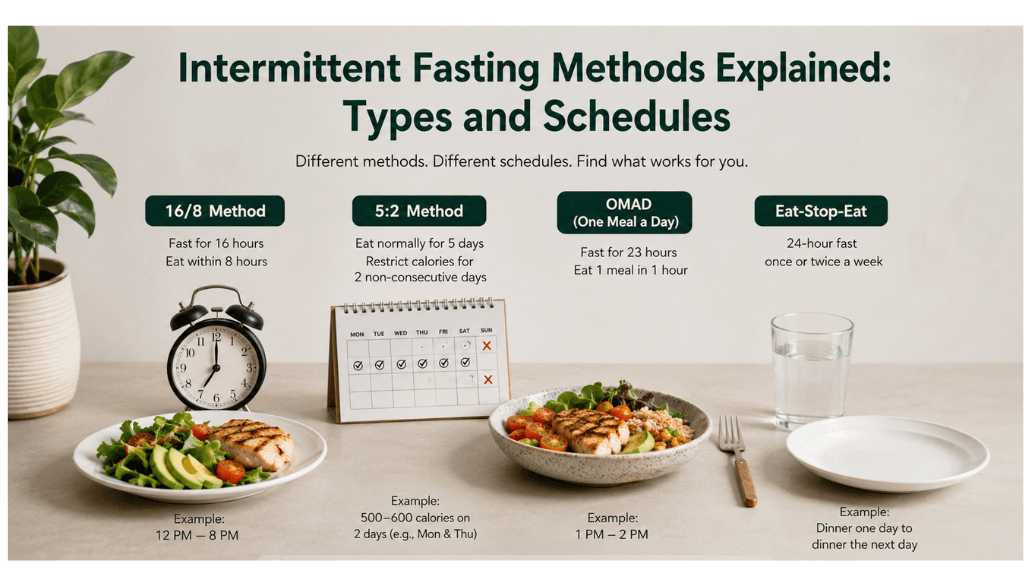
There isn’t one perfect fasting schedule for everyone. The most popular options include daily time restricted eating, the 5:2 method, alternate day fasting, and occasional 24 hour fasting. Some plans are gentle enough for beginners, while others require much more planning and may be harder to maintain.
For most people starting out, a shorter fasting period is easier than jumping straight into a strict plan. The best method is usually the one you can follow without constant hunger, poor sleep, low energy, or stress around food.
| Method | Basic Pattern | Beginner Friendly? | Main Consideration |
| 14/10 | Fast 14 hours, eat within 10 hours | Yes | Gentle starting point |
| 16/8 | Fast 16 hours, eat within 8 hours | Yes | Popular and simple |
| 5:2 | Normal eating 5 days, reduced intake 2 days | Moderate | Reduced-calorie days can be difficult |
| Alternate-day fasting | Alternates fasting or very low-calorie days | Lower | More demanding |
| Eat-Stop-Eat | Usually a full 24-hour fast periodically | Lower | Can be challenging for beginners |
| Warrior-style approach | Long fasting period with a short eating period | Low | Restrictive and harder to sustain |
1. How to Choose the Best Intermittent Fasting Times for Your Routine
Your fasting clock should work around your real life. If you wake at 7 AM, eat breakfast with your family, and train early, forcing yourself to wait until noon may make the plan harder than it needs to be. Instead, consider when you normally feel hungry and when your main meals happen.
A simple starting point could be 8 AM to 6 PM for eating, followed by an overnight fast. Another person may prefer 12 PM to 8 PM. Earlier eating windows may also have advantages for some people. One randomized clinical trial found that early time restricted eating produced greater weight loss than a control schedule in adults with obesity, although more research is needed.
2. The 16/8 and 14/10 Methods: Which Is Better for Beginners?
The 16/8 method means fasting for 16 hours and eating during an 8 hour window. For example, you might eat between 12 PM and 8 PM. The 14/10 method gives you a 10 hour eating window, such as 9 AM to 7 PM, making it a softer starting point.
If you’re new to fasting, the 14/10 approach may feel more comfortable. You can later move toward 16/8 if it feels good and fits your needs. There is no prize for fasting longer. A plan you can follow consistently is more useful than an extreme schedule that you abandon after a few days.
3. The 5:2 Method and Alternate-Day Fasting: How Do They Differ?
The 5:2 method generally involves eating normally on five days and significantly reducing food intake on two nonconsecutive days. Alternate day fasting changes the pattern more often, with fasting or very low calorie days alternating with regular eating days.
These methods have been studied for weight and metabolic outcomes. Some evidence suggests modified alternate day fasting can produce meaningful changes in body weight and cardiometabolic risk factors. However, more demanding schedules can be difficult for busy families and may not suit everyone.
4. Eat-Stop-Eat and the Warrior Diet: Are These Methods Right for Beginners?
Eat-Stop-Eat usually means completing a full 24 hour fast once or twice a week. The Warrior Diet uses a long period of limited eating followed by a larger eating period. Both approaches are more demanding than a basic overnight fast.
Beginners don’t need to start here. Longer fasting periods can make hunger, tiredness, headaches, and food cravings harder to manage. If you have a medical condition or take medicine that affects blood sugar or blood pressure, a longer fast should not be started without appropriate medical advice.
What to Eat During Your Eating Window: A Beginner’s Food Guide
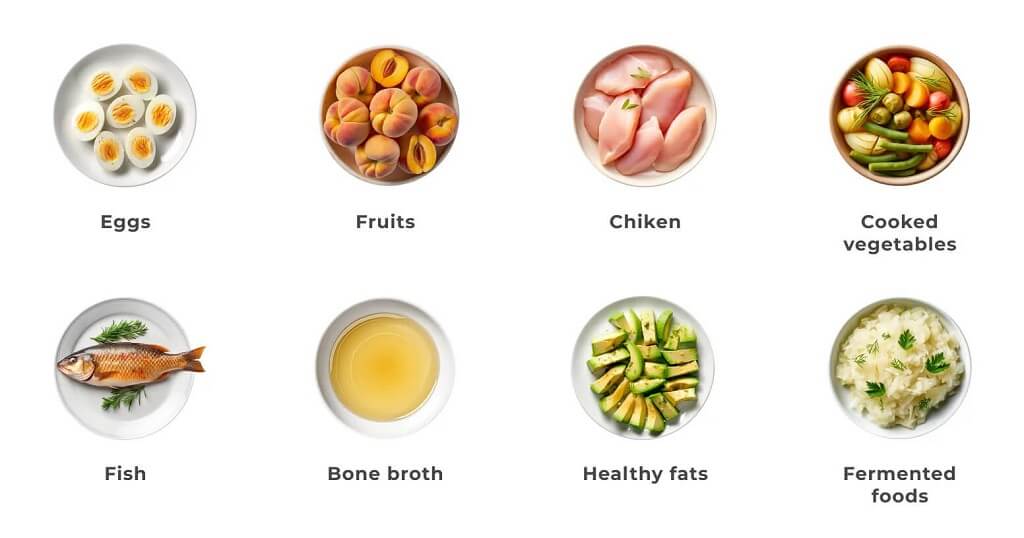
Fasting doesn’t cancel out the need for nutritious food. What you eat during your eating window can make a big difference to how you feel. Instead of using the eating window as permission to eat large amounts of highly processed food, build meals around protein, vegetables, fruits, whole grains, legumes, healthy fats, and enough fluids.
A simple plate can include eggs or paneer, vegetables, dal, whole grains, fruit, curd, nuts, seeds, or lean meat depending on your food preferences. Fiber and protein can help meals feel more satisfying. The goal is not to create a complicated diet. It is to make your normal meals more balanced.
Best Foods to Break Your Fast Safely Without Feeling Too Heavy
After a longer fasting period, a large heavy meal may leave you feeling uncomfortable. A balanced meal is often a better choice than immediately reaching for sweets or fried foods. Include protein and fiber because both can help make the meal more filling.
Useful options include:
- Eggs with vegetables and whole-grain toast
- Greek yogurt with fruit and nuts
- Dal with vegetables and brown rice
- Grilled chicken or fish with vegetables
- Beans or lentils with salad and whole grains
- Oatmeal with yogurt, fruit, and nuts
Foods to Avoid While Doing Intermittent Fasting
During your eating window, try not to build your entire diet around sugary drinks, deep fried snacks, sweets, refined foods, and oversized portions. These foods can make it harder to meet your nutrition needs and may leave you hungry again soon.
You don’t have to label every food as forbidden. A family meal, birthday, or occasional treat can still fit into a balanced lifestyle. The bigger goal is to make nutritious foods the regular choice. Fasting should simplify your routine, not turn every meal into a battle.
Potential Health Benefits of Intermittent Fasting: What Does Research Show?
Research on intermittent fasting has reported possible benefits for body weight and several metabolic measures. An umbrella review of randomized clinical trial meta-analyses found beneficial associations involving BMI, body weight, fat mass, LDL cholesterol, total cholesterol, triglycerides, fasting glucose, fasting insulin, and blood pressure, although the strength of evidence varied widely between outcomes.
A newer 2026 network meta-analysis also found promising results for modified alternate day fasting and time restricted eating across several cardiovascular risk factors, while noting the need for longer randomized trials to better understand safety and effectiveness over time.
Which Intermittent Fasting Method Is Best for Weight Loss?
There is no single fasting method that wins for everyone. Weight loss still depends heavily on overall energy intake, food quality, activity, sleep, and how well you can stick with the routine.
A 2024 meta-analysis found time restricted eating was associated with about 1.37 kg greater weight loss than control conditions across included trials, but the researchers described the effect as small and the evidence as low certainty.
| Method | Typical Pattern | Beginner Friendly | Main Challenge |
| 14/10 | 14 hours fasting, 10 hours eating | High | Adjusting meal times |
| 16/8 | 16 hours fasting, 8 hours eating | High | Hunger at first |
| 5:2 | Normal eating 5 days, reduced intake 2 days | Medium | Reduced intake days |
| Alternate Day | Alternating fasting and regular days | Low to Medium | Harder to maintain |
| 24 Hour Fast | Full day without food | Low | Hunger and low energy |
How Intermittent Fasting May Affect Heart Disease Risk and Cholesterol
Some intermittent fasting studies report improvements in cardiovascular risk markers such as body weight, blood pressure, triglycerides, and cholesterol. These changes can be useful because excess weight and poor metabolic health are linked with cardiovascular risk.
Still, fasting should not be treated as a replacement for prescribed treatment. A heart healthy lifestyle also includes regular activity, nutritious food, good sleep, not smoking, and appropriate medical care. A 2026 review found promising effects from several fasting approaches but also called for longer studies to confirm their long term effects.
Intermittent Fasting and Type 2 Diabetes Management: What Should You Know?
Fasting can change blood glucose and insulin levels, which makes this topic especially important for people with Type 2 diabetes. Some research has found improvements in glucose related measures with intermittent fasting, but the safety of fasting depends on the individual and the medicines being used.
Someone taking glucose lowering medicine may need a carefully planned eating schedule to reduce the risk of blood sugar becoming too low. If you have diabetes, do not change meal timing or medication around fasting without discussing it with your healthcare professional.
Is Intermittent Fasting Beneficial for Older Adults?
Older adults need to pay special attention to protein, muscle strength, hydration, and overall nutrition. A fasting schedule that causes someone to eat too little protein or too few calories may not be a good choice.
This doesn’t mean every older adult must avoid fasting. It means the plan should be more carefully matched to the person’s health, medications, activity level, appetite, and nutritional needs. If maintaining muscle is a priority, regular resistance exercise and adequate protein deserve as much attention as the fasting clock.
Can You Drink Coffee While Intermittent Fasting?
For many fasting schedules, plain black coffee is commonly used during the fasting period because it contains very few calories. Water, plain tea, and other noncaloric drinks are also commonly used.
The important detail is what you add. Sugar, cream, milk, syrups, and flavored drinks can add calories and may break a strict fast. If coffee makes you shaky, anxious, or uncomfortable when you haven’t eaten, it may be better to reduce it or have it during your eating window.
How to Manage Morning Workouts While Fasting
Morning exercise while fasting can work for some people, especially during light or moderate activity. Walking, stretching, easy cycling, or a relaxed workout may feel manageable before breakfast.
Hard training is different. If you feel dizzy, weak, unusually tired, or unable to complete your workout, stop and eat or drink as appropriate. People who train seriously should pay close attention to total calories, protein, fluids, recovery, and performance instead of treating a longer fast as automatically better.
Does Intermittent Fasting Cause Muscle Loss?
Muscle loss is a real concern during weight loss, especially when calorie intake is too low or protein and resistance exercise are neglected. Research on time restricted eating has found small reductions in lean mass in some studies. A 2024 meta-analysis reported a mean lean mass reduction of about 0.42 kg across the included time restricted eating trials.
You can support muscle retention by eating enough protein, doing resistance training, avoiding extreme calorie restriction, and losing weight at a sensible pace. Fasting itself isn’t the only factor. Your complete eating and exercise pattern matters.
Who Should Avoid or Be Cautious With Intermittent Fasting?
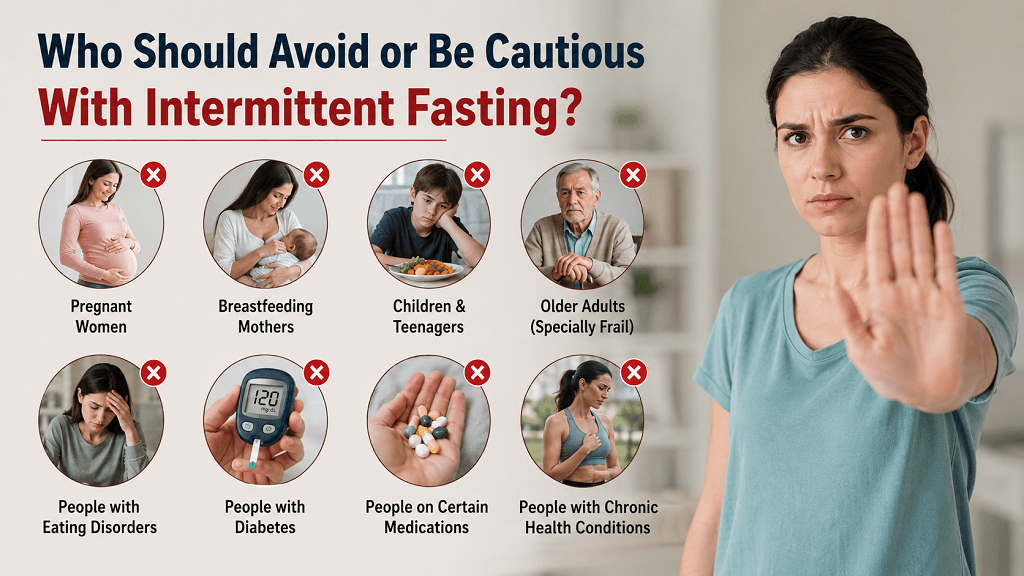
Intermittent fasting is not suitable for everyone. People who are pregnant or breastfeeding, children, people with certain eating disorders, and people with medical conditions or medications affected by fasting need special care. The risk can also be higher for people vulnerable to low blood sugar or dehydration.
If you have a chronic condition, take prescription medication, are pregnant or breastfeeding, or have a history of disordered eating, talk with a qualified healthcare professional before starting. Fasting should support health, not create another source of stress.
Is Intermittent Fasting Good and Safe for Women?
Women can use time restricted eating, but individual needs matter. Menstrual cycles, pregnancy, breastfeeding, energy needs, exercise demands, and medical conditions can all affect whether fasting is appropriate.
Pregnant or breastfeeding women should not start a fasting plan for weight loss without medical guidance. The same applies to people with a history of eating disorders or anyone whose relationship with food becomes more stressful when following strict eating rules.
Potential Risks, Side Effects, and Who Should Not Fast
Possible side effects include hunger, headache, dizziness, constipation, nausea, diarrhea, and low energy. These symptoms were reported in clinical studies, although most reported adverse effects were mild.
You should be especially careful if you:
- Take insulin or medicines that can cause low blood sugar
- Are pregnant or breastfeeding
- Have a history of an eating disorder
- Are underweight or struggling to meet nutritional needs
- Are frail or at risk of muscle loss
- Have a medical condition that requires regular meals
- Experience repeated dizziness or weakness during fasting
How to Start Intermittent Fasting Without Making Yourself Miserable
Starting slowly can make the process much easier. You don’t have to jump straight into a 16 hour fast. Try a regular overnight fast first, such as finishing dinner at 8 PM and having breakfast at 8 AM.
Once that feels normal, you could extend the fasting period if appropriate. Keep meals nutritious, drink enough water, and pay attention to how your body responds. If fasting makes you constantly tired, obsessed with food, unable to exercise, or unable to enjoy normal family meals, the plan may need to change.
Sample Intermittent Fasting Diet Plan for Beginners: 12 PM to 7:30 PM
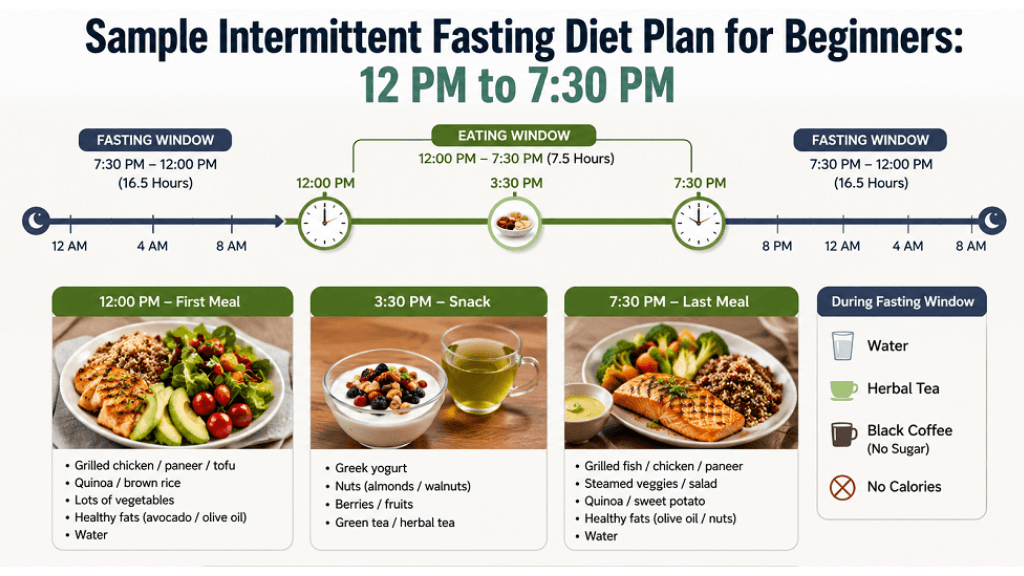
A simple beginner schedule can use a 12 PM first meal, 3:30 PM snack, and 7:30 PM last meal. This gives you a clear routine without requiring complicated recipes.
1. 12:00 PM, First Meal
- Dal, brown rice or roti, vegetables, and curd
- Or eggs, whole grain toast, vegetables, and fruit
- Water or unsweetened tea
2. 3:30 PM, Snack
- Fruit with a small handful of nuts
- Or plain curd with seeds
- Water throughout the afternoon
3. 7:30 PM, Last Meal
- Paneer, tofu, fish, chicken, or dal
- Plenty of vegetables
- A moderate serving of rice, roti, or another whole grain
The exact foods should match your dietary needs, culture, preferences, allergies, and health goals.
Intermittent Fasting Results: What Should You Expect?
Don’t judge your progress after two or three days. Early changes on the scale can include shifts in water weight, while longer term changes depend on your overall eating pattern and activity.
Research suggests that intermittent fasting can help some adults lose weight, but it is not clearly superior to every other calorie controlled eating pattern. JAMA notes that studies comparing intermittent fasting with daily calorie restriction have often found similar weight loss, while adherence remains an important challenge.
A better goal is to track several signs:
- Body weight over several weeks
- Waist measurement
- Energy levels
- Hunger and cravings
- Workout performance
- Sleep quality
- How well you can follow the plan
Why Starting With a 12 Hour Fast Can Be a Smart Choice
A 12 hour overnight fast is simple and often fits naturally into family life. For example, you can finish dinner at 8 PM and eat breakfast at 8 AM. There is no need to skip an important family meal or spend the morning thinking about food.
Once you are comfortable, you can decide whether a longer fasting window makes sense. Remember, longer does not automatically mean better. A sustainable routine that supports good nutrition is more valuable than an extreme routine that leaves you exhausted.
Intermittent Fasting vs Regular Calorie Restriction: Which Is Better?
| Factor | Intermittent Fasting | Regular Calorie Control |
| Main focus | Meal timing | Total food intake |
| Meal timing | Restricted | Flexible |
| Food choices | Can vary | Can vary |
| Weight loss | Can support weight loss | Can support weight loss |
| Flexibility | Depends on schedule | Often more flexible |
| Main challenge | Hunger and timing | Portion control |
| Best choice | Depends on the person | Depends on the person |
Why Intermittent Fasting Should Not Be Treated as a Quick Fix
The promise of rapid weight loss can make fasting sound like a shortcut. But your body is not a calculator where adding fasting hours automatically produces a fixed amount of fat loss.
One review found that fasting can produce useful changes in weight and metabolic measures, but many studies were relatively short and evidence quality varied.
The better question is not, “How fast can I lose weight?” Ask, “Can I follow this eating pattern for months while still getting enough nutrition and enjoying my life?” That question usually leads to a safer and more useful decision.
Product Comparison: Simple Tools That Can Support a Fasting Routine
Artik Mart focuses on curated products that can make everyday routines easier. For an intermittent fasting routine, useful products are usually simple items that support meal preparation, hydration, planning, and portion awareness rather than products promising instant fat loss.
| Product Type | How It Can Help | Best For |
| Insulated Water Bottle | Makes hydration easier during the day | Busy users |
| Meal Prep Container Set | Helps plan balanced meals | Working adults |
| Digital Kitchen Scale | Helps understand portions | Beginners tracking food |
| Food Storage Containers | Makes prepared meals easier to manage | Families |
| Lunch Box | Supports planned meals away from home | Office users |
How to Use Intermittent Fasting Safely: Simple Starting Points
- Start with a manageable schedule. A 12 hour overnight fast can be a practical first step.
- Drink enough water. Thirst can sometimes feel like hunger, especially during a busy day.
- Build balanced meals. Include protein, vegetables, fruit, whole grains, legumes, and healthy fats.
- Don’t ignore warning signs. Severe dizziness, fainting, confusion, or feeling very unwell is not something to push through.
- Protect your muscles. Resistance training and adequate protein are useful during weight loss.
- Don’t copy someone else’s fasting plan blindly. A schedule that works for a friend may not work for you.
Conclusion
Intermittent fasting can be a practical eating pattern for some adults, especially when a structured eating window helps reduce late-night eating and makes meals easier to manage. Research supports modest benefits for weight and some cardiometabolic markers, but current evidence does not show that fasting is automatically better than traditional calorie restriction.
For beginners, starting with a gentle 12-hour or 14-hour overnight fast can be more realistic than jumping into an aggressive plan. Focus on nutritious food, adequate protein, fiber, hydration, movement, and good sleep. If you have diabetes, take medication that can affect blood sugar, are pregnant or breastfeeding, are underweight, or have other health concerns, get professional advice before fasting. A healthy routine should feel sustainable, not like a daily battle.
FAQs
Can Intermittent Fasting Help With Muscle Loss?
Intermittent fasting does not automatically cause muscle loss, but some lean mass may be lost during weight loss. To protect your muscle, eat enough protein, include resistance training, get good sleep, and avoid very low-calorie diets.
Can I Drink Water During the Fasting Period?
Yes, you can generally drink water during your fasting period. Staying hydrated is important, especially when you exercise or live in hot weather, and plain water does not add meaningful calories.
Can I Drink Liquids During the Fast?
Water is the easiest option during a fast. You can also choose unsweetened tea or plain black coffee, while sugary drinks, milk, cream, and syrups can add calories and break a strict fast.
Isn’t It Unhealthy to Skip Breakfast?
Skipping breakfast is not automatically unhealthy for every adult. Some people prefer eating early, while others feel comfortable having their first meal later, so choose a routine that supports your energy, nutrition, and daily activities.
Will Fasting Cause Muscle Loss?
Fasting may contribute to muscle loss when you eat too little protein or energy, especially while trying to lose weight. Eating protein-rich foods and doing regular resistance training can help support lean muscle.
Is It Better to Fast 12 or 16 Hours?
A 12-hour fast is often easier for beginners and may be more sustainable. A 16-hour fast can suit some people, but longer fasting is not necessarily better if it affects your energy, sleep, nutrition, or daily routine.
Can I Lose 10 kg in 2 Months With Intermittent Fasting?
Losing 10 kg in two months is an aggressive goal for many people and should not be treated as a standard expectation. Your results depend on factors such as your starting weight, diet, activity level, and overall health.
Will Fasting for 2 Days Burn Belly Fat?
A two-day fast will not specifically burn belly fat because your body cannot choose where it loses fat first. For long-term abdominal fat loss, focus on a sustainable diet, regular exercise, adequate sleep, and gradual overall weight management.
Customer Reviews (5/5 from 1 review)
Intermittent fasting is less about giving up food and more about choosing when you eat. For many beginners, it sounds simple, but questions quickly appear: Will I feel weak? Can I drink coffee? Will I lose muscle? Is fasting safe for everyone? This guide explains the popular methods, food choices, possible benefits, common problems, and safety tips in simple language.