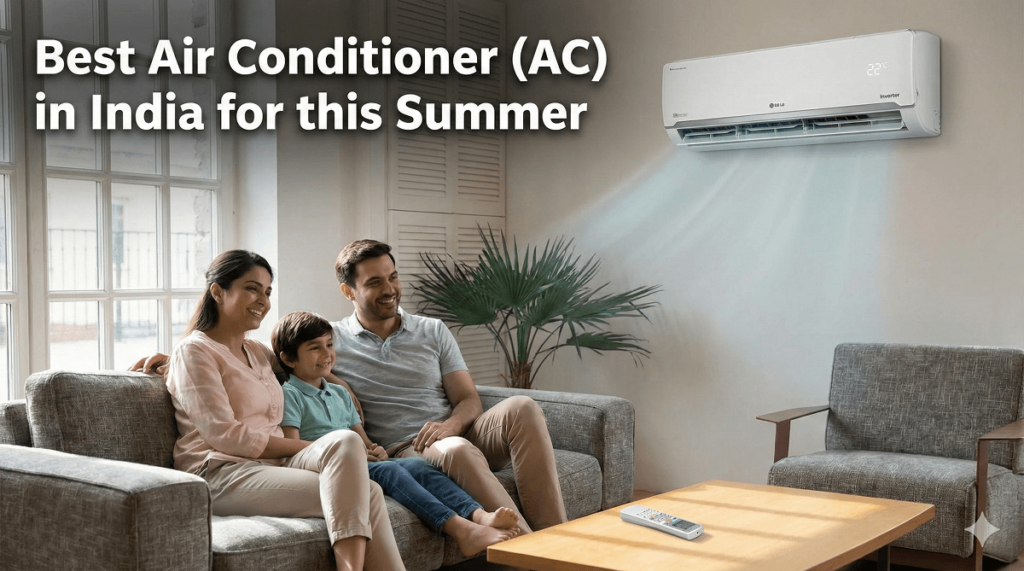
Choosing the right Best AC in India’s brutal summers isn’t just about cooling; it’s about survival and electricity bills. If you are torn between Hitachi and Daikin AC, you aren’t just comparing brands—you’re comparing two different philosophies of Japanese engineering.
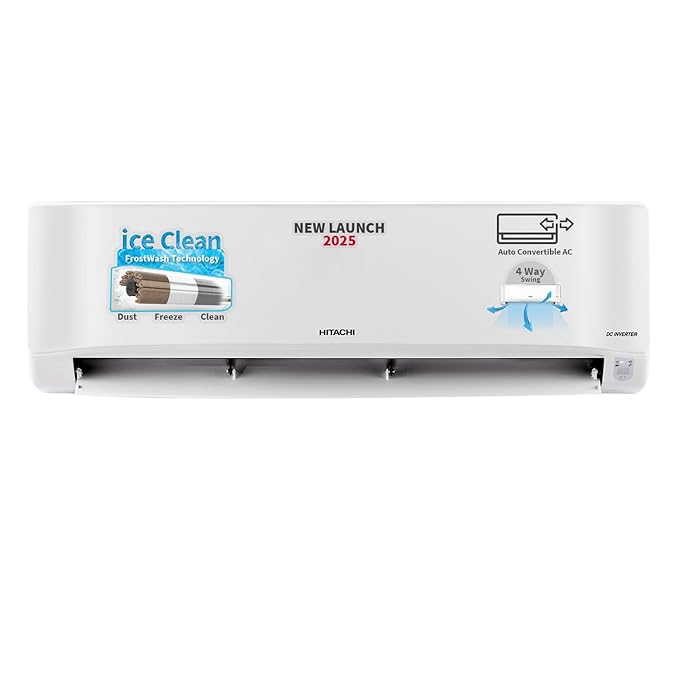
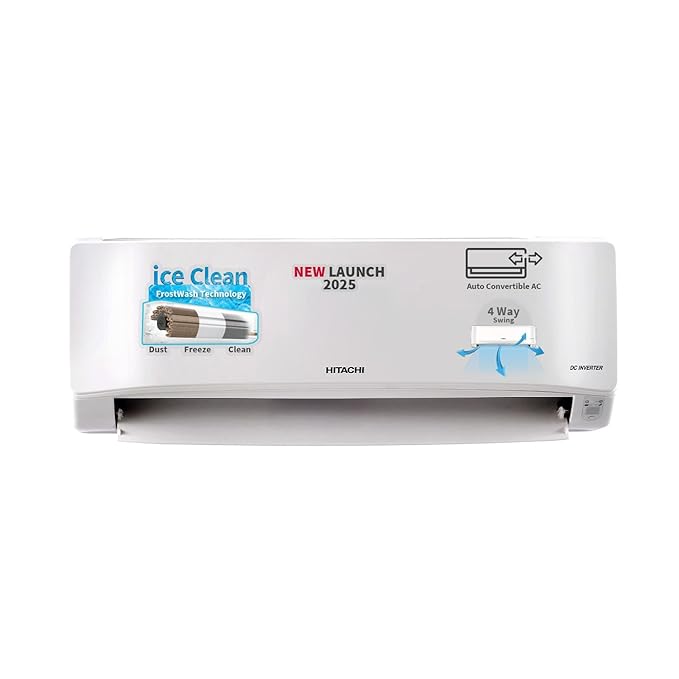
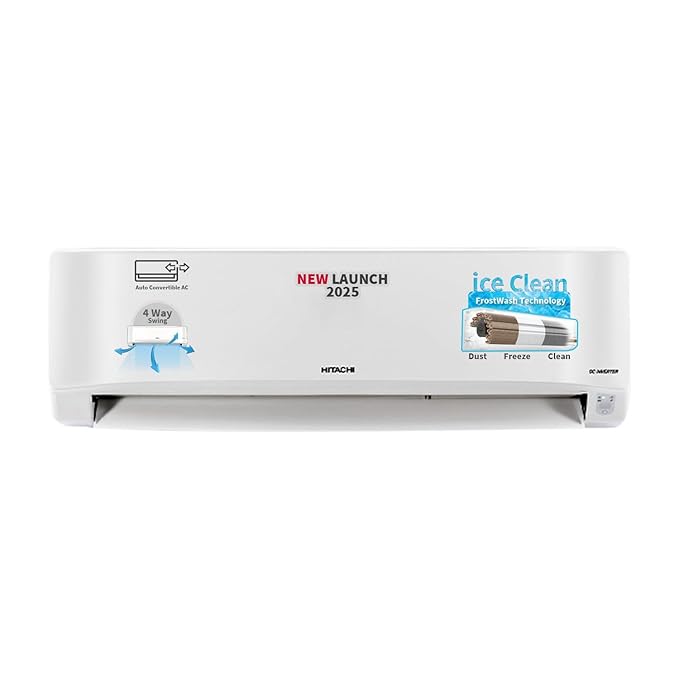
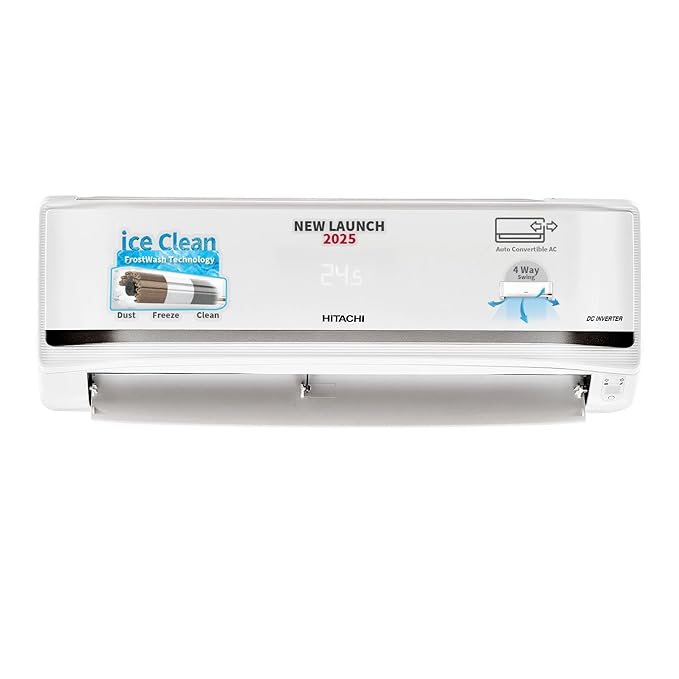
Hitachi AC
Daikin AC
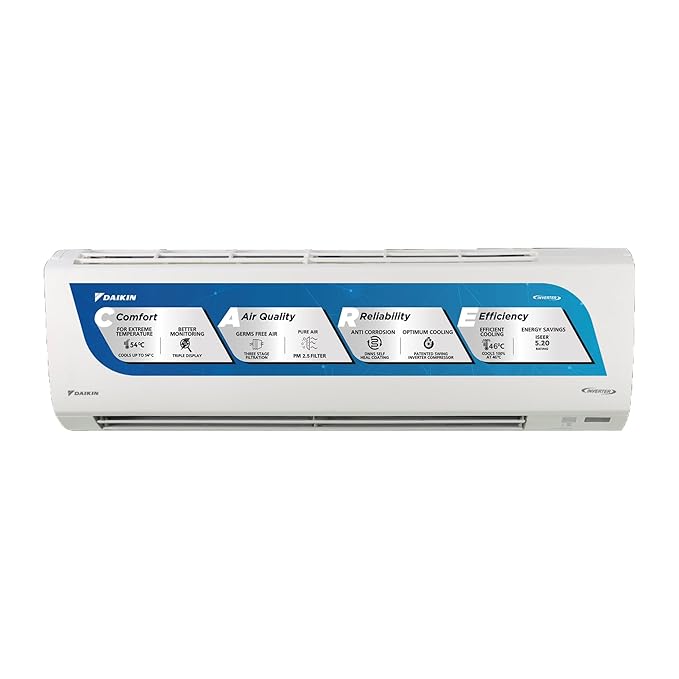
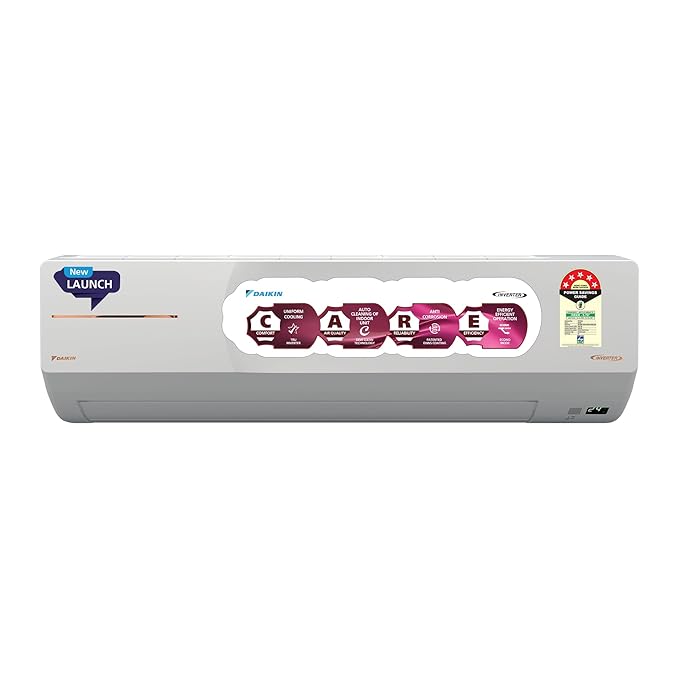
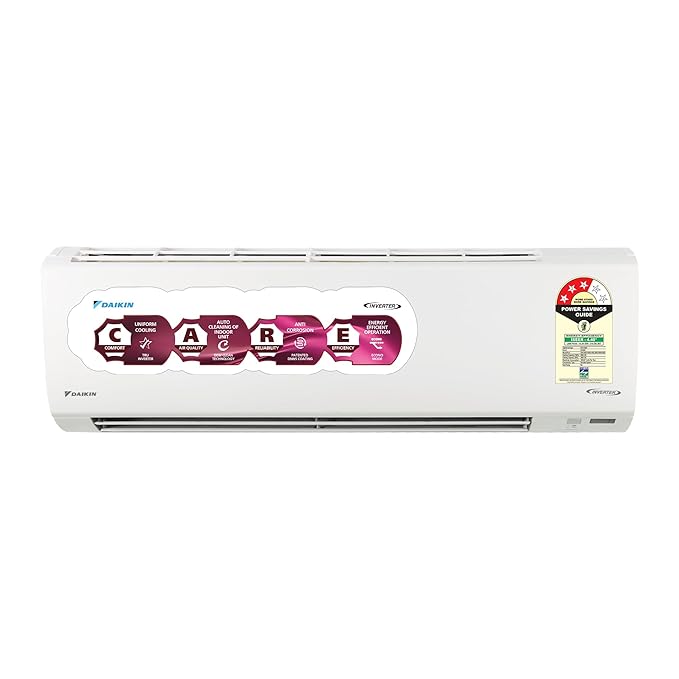
Daikin 1.5 Ton 5 Star Inverter Split AC
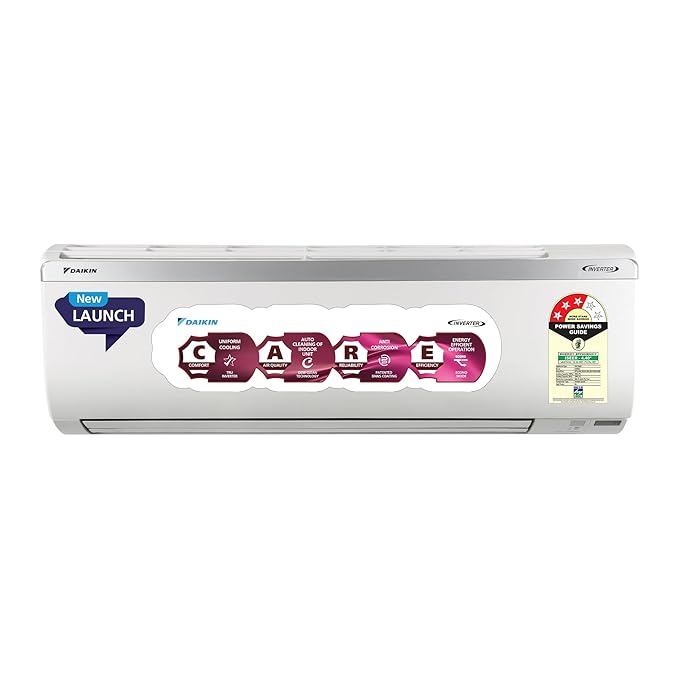
Daikin 1.5 Ton 5 Star Inverter Split AC (Copper, PM 1.0, Apataito Filter, ATKM50UV16VA), Split AC with inverter Swing compressor and Hepta Sense, 5 Star: Energy efficiency,Copper Condenser Coil: Better cooling and requires low maintenance
- key features:Inverter Technology, Coanda Airflow & 3D Airflow, PM 1.0/2.5 Filtration, DNNS Self-Healing Coating, Power Chill / Turbo Cooling, Dew Clean Technology
- Special Feature: 3D Airflow, Apataito Filter, DNNS Self Heal Coating, Dew Clean Technology, Hepta Sense
- Capacity: 1.5 Tons
- How to Use: Room Cooling & Comfort, Cleaner and Healthier Air, Automatic Self-Cleaning, Long-Lasting & Low Maintenance, Econo / Power Chill & 3D Airflow
The Core Battle: Hitachi Expansion Valves vs. Daikin Swing Compressors
When you dig into the outdoor units (ODUs), this is where the real “magic” happens.
Hitachi’s Expansion Valves & Piping
Hitachi focuses on Expansion Valve technology and robust copper thickness. In our testing, Hitachi’s electronic expansion valves (EEVs) allow for much more precise refrigerant control than cheaper capillary tubes.
The Benefit: It prevents the evaporator from freezing and handles the “Expandable Inverter” tech, allowing the AC to run at 110% capacity during 48°C heatwaves.
Durability Factor: Hitachi uses thicker-walled copper tubes with inner grooving, which significantly reduces the risk of refrigerant leaks—the #1 complaint of Indian AC owners.
Daikin’s Patented Swing Compressors
Daikin wins on pure mechanical innovation. Unlike standard rotary compressors that have a “frictional” blade, Daikin’s Swing Compressor integrates the blade and the piston into a single part.
The Benefit: It eliminates internal friction and vibration. In our noise tests, Daikin units remained remarkably silent even after 3 years of heavy use.
Durability Factor: Fewer moving parts mean less wear and tear. This is why Daikin is often cited as the most durable AC brand in India 2026.
Expert Reviews of Hitachi AC vs Daikin AC in India 2026
We tested 1.5 Ton 5-Star models from both brands in a 180 sq. ft. room at an ambient temperature of 42°C.
| Metric | Daikin (MTKM50U) | Hitachi (Yoshi 5500STXL) |
| Pull-down Time (to 24°C) | 14 Minutes | 16 Minutes |
| Power Consumption (8 Hours) | 4.2 Units | 4.6 Units |
| Noise Level (Indoor) | 38 dB (Ultra Quiet) | 34 dB (Silent on Low) |
| Max Capacity Output | 100% (Standard) | 110% (Expandable+) |
| Air Throw Distance | 16 Meters | 24 Meters |
Hitachi AC vs Daikin AC Comparison Price in India 2026
| Capacity & Rating | Hitachi Price (approx.) | Daikin Price (approx.) |
| 1 Ton 3 Star | ₹32,500 | ₹34,000 |
| 1 Ton 5 Star | ₹39,000 | ₹42,500 |
| 1.5 Ton 3 Star | ₹36,500 | ₹38,500 |
| 1.5 Ton 5 Star | ₹45,500 | ₹49,000 |
| 2 Ton 3 Star | ₹52,000 | ₹55,000 |
| 2 Ton 5 Star | ₹62,000 | ₹68,000 |
Hitachi vs Daikin AC: Pros and Cons
Hitachi AC
Pros: * Xpandable+: Excellent for living rooms where guests might increase the heat load.
Ice Clean (FrostWash): Effectively kills mold and dust on the evaporator.
Long Air Throw: Reaches the far corners of long rooms better than Daikin.
Cons: * Exterior Design: Slightly bulkier outdoor units.
Service Reach: While huge, the experience can vary significantly by third-party dealer.
Daikin AC
Pros: * Silent Operation: Almost ghostly quiet; perfect for bedrooms.
High ISEER: Consistently higher energy efficiency ratings.
Econo Mode: Limits maximum power consumption, saving bills during peak hours.
Cons: * Premium Price: You pay a “Daikin Tax” for the brand.
Installation: Requires certified technicians; improper gas charging can ruin the swing compressor efficiency.
Verdict & Winner
Choose Daikin if: You prioritize low electricity bills, a silent bedroom environment, and a brand that holds its value for 10+ years. It is the gold standard for durability.
Choose Hitachi if: You live in a top-floor flat or an area where temperatures cross 45°C regularly. The Expandable Inverter and Expansion Valve tech provide a “punch” of cooling that Daikin’s standard models sometimes lack in extreme peaks.
The Winner for 2026: Daikin (by a narrow margin for efficiency), but Hitachi takes the trophy for “Value for Money” and “Extreme Cooling Performance.”
FAQ
Which is better, Hitachi or Daikin AC?
It depends on the room. Daikin is better for bedrooms (quiet/efficient); Hitachi is better for living rooms (powerful throw/expandable).
Which AC is better than Daikin?
In terms of raw cooling power, Mitsubishi Heavy Industries or O General are often considered a step above, though they are much more expensive.
Is Hitachi a good air conditioner?
Yes, Hitachi is one of the top 3 Japanese brands in India. Their use of 100% copper and tropical inverter technology makes them highly reliable for the Indian climate.
Which AC brand is the best quality?
As of 2026, Daikin, Hitachi, and O General lead the market in build quality and engineering standards.
Customer Reviews
No reviews yet. Be the first to leave one.