
Yoga Poses and Asanas: From Beginner to Advanced
Many beginner yoga poses feel natural. Your body already knows how to bend, fold, and stretch in similar ways. Focus on slow, steady breathing as you move. It can help you relax and go deeper into each pose.
Starting yoga can feel confusing because there are so many poses to learn. But you may already know some basic yoga movements. Even stretching your arms above your head after getting out of bed can be a yoga pose.
Yoga is a lifelong practice. You have plenty of time to learn each asana, or pose, and try different yoga sequences. These beginner yoga poses are a great way to start. They will help you build strength, improve flexibility, and prepare for more challenging poses.
A good yoga mat can change how you feel every day. It gives you comfort, grip, and peace while you move and stretch. When your mat feels soft and stable, your mind stays focused. Whether you are doing yoga, exercise, or simple stretching, the right mat helps you feel calm, safe, and ready to grow stronger every day.
Standing Yoga Poses
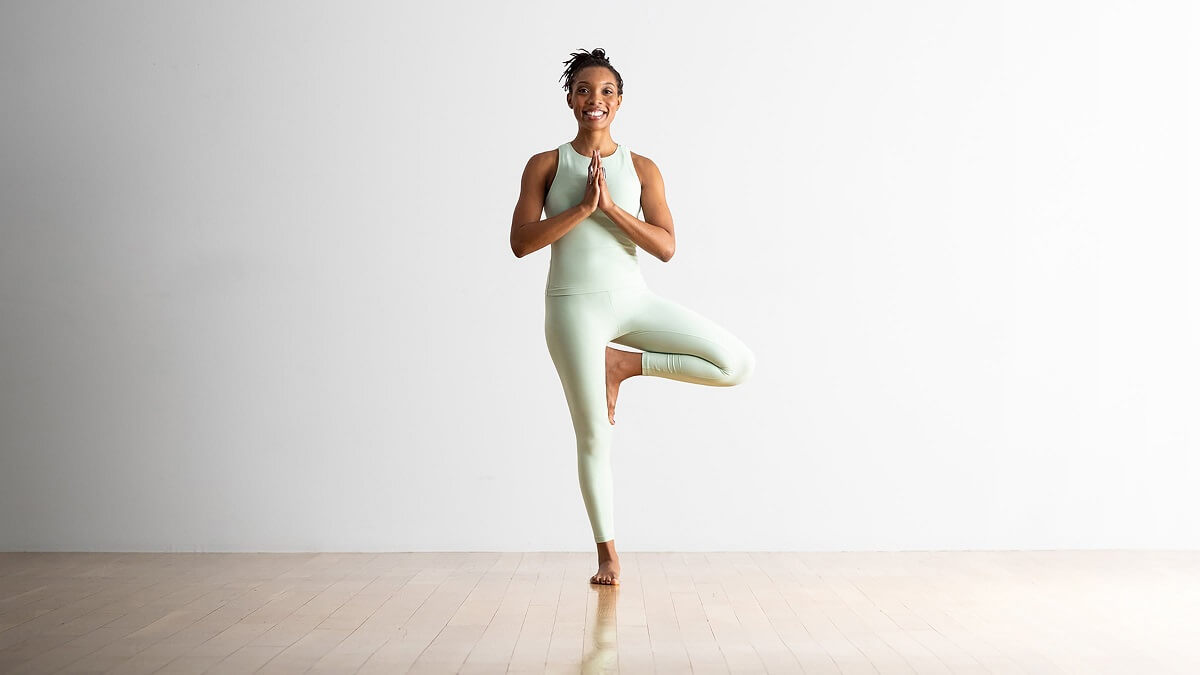
Standing Yoga Poses
Standing yoga poses are a great starting point because they teach you how to use your feet, legs, hips, and core together. Try Mountain Pose, Chair Pose, Warrior I, Warrior II, and Triangle Pose. Mountain Pose looks simple, but it teaches you to stand tall without locking your knees. Chair Pose adds more work for your legs and can challenge your balance. Warrior poses open the hips while building strength in the legs. Triangle Pose adds a gentle side stretch. If you’re a beginner, hold each yoga pose for about 15 to 30 seconds and focus on steady breathing. Don’t worry about looking perfect. Your goal is to learn where your body feels stable and comfortable.
| Yoga pose | Main benefit | Beginner tip |
|---|---|---|
| Mountain Pose | Posture and balance | Keep feet comfortable |
| Chair Pose | Leg strength | Bend knees gently |
| Warrior I | Legs and hips | Keep front knee controlled |
| Warrior II | Strength and balance | Relax your shoulders |
| Triangle Pose | Side-body stretch | Use a block if needed |
Twisting Yoga Poses
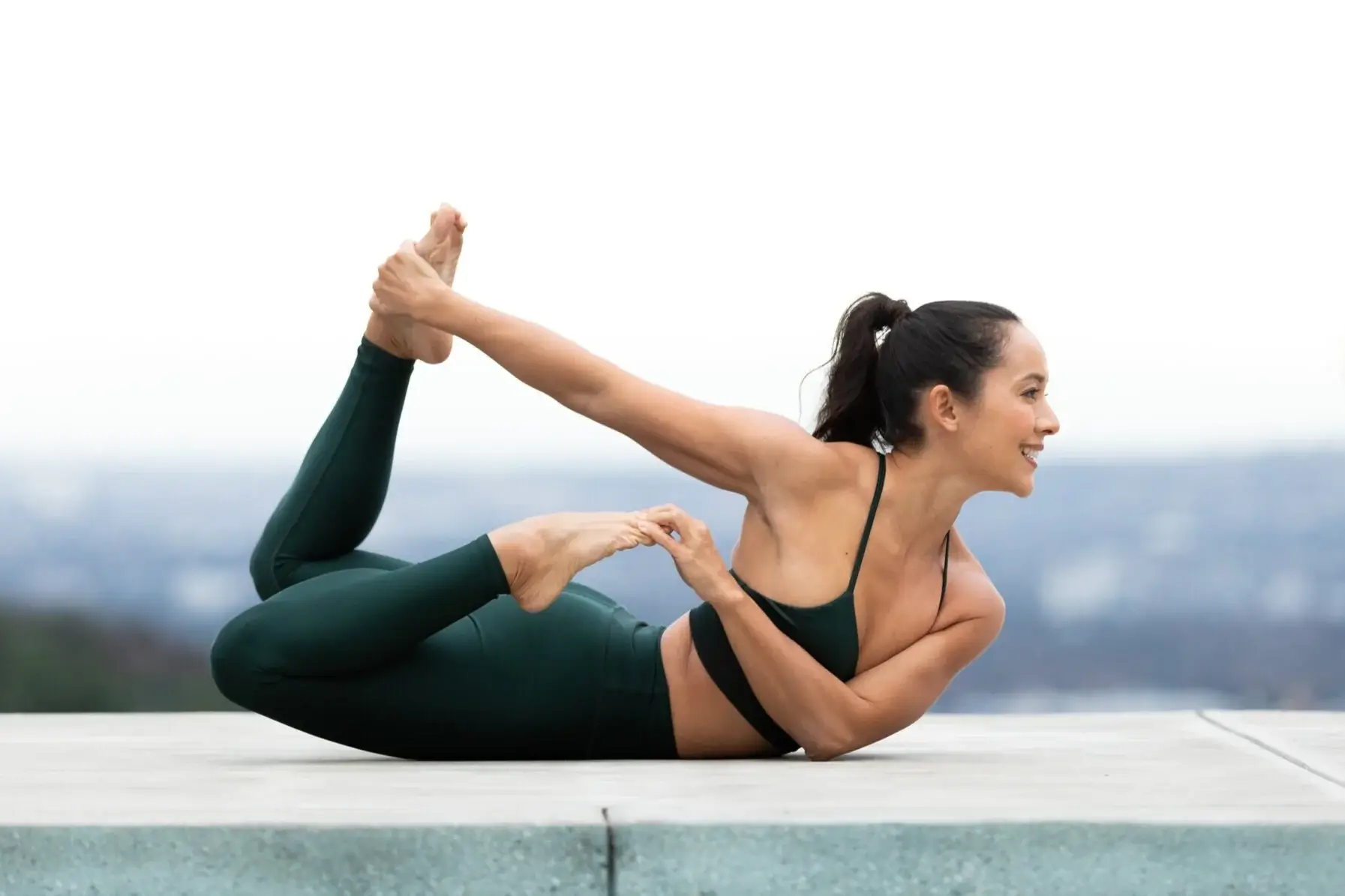
Twisting Yoga Poses
Twisting yoga poses can make your practice feel refreshing after sitting for hours. Good choices include Seated Spinal Twist, Revolved Chair Pose, Revolved Triangle, and Supine Twist. A twist should come from your spine moving comfortably, not from forcing your shoulders or neck. Start with a gentle range and let your breathing guide the movement. Supine Twist is especially useful when you want a calmer pose before bed. If your back feels painful, stop instead of trying to twist deeper. Remember, deeper does not automatically mean better. The Arthritis Foundation includes seated spinal twists among its arthritis-friendly yoga movements, with modifications available for people who need extra support.
Forward Bend Yoga Poses
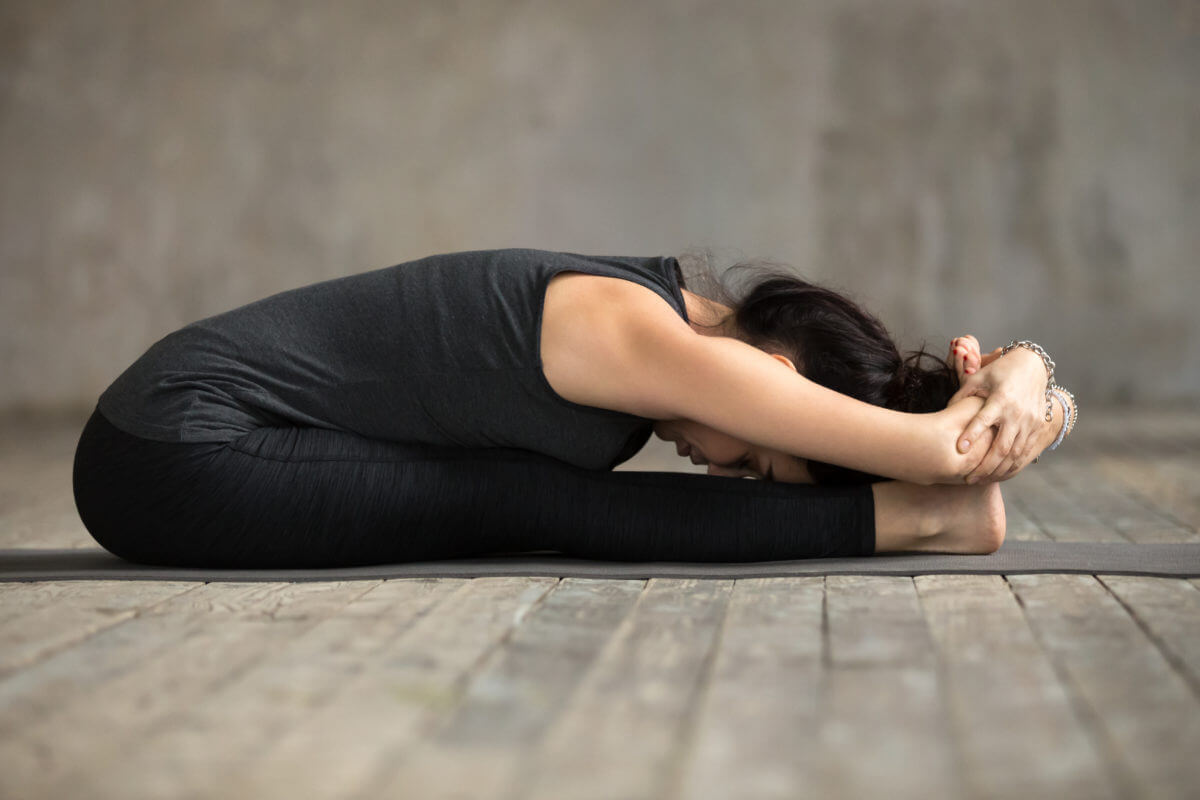
Forward Bend Yoga Poses
Forward bend yoga poses can stretch the back of your body and create a quiet moment in your practice. Beginner-friendly choices include Standing Forward Fold, Seated Forward Fold, Wide-Legged Forward Fold, and Child’s Pose. Keep your knees slightly bent if your hamstrings feel tight. That small adjustment can make a big difference. Avoid pulling yourself toward your toes just to reach farther. Instead, think about lengthening your spine as you fold. A yoga block can also bring the floor closer to you. If you have a known back condition, ask a qualified professional which yoga poses are appropriate before adding deeper forward bends to your routine.
Kundalini Yoga
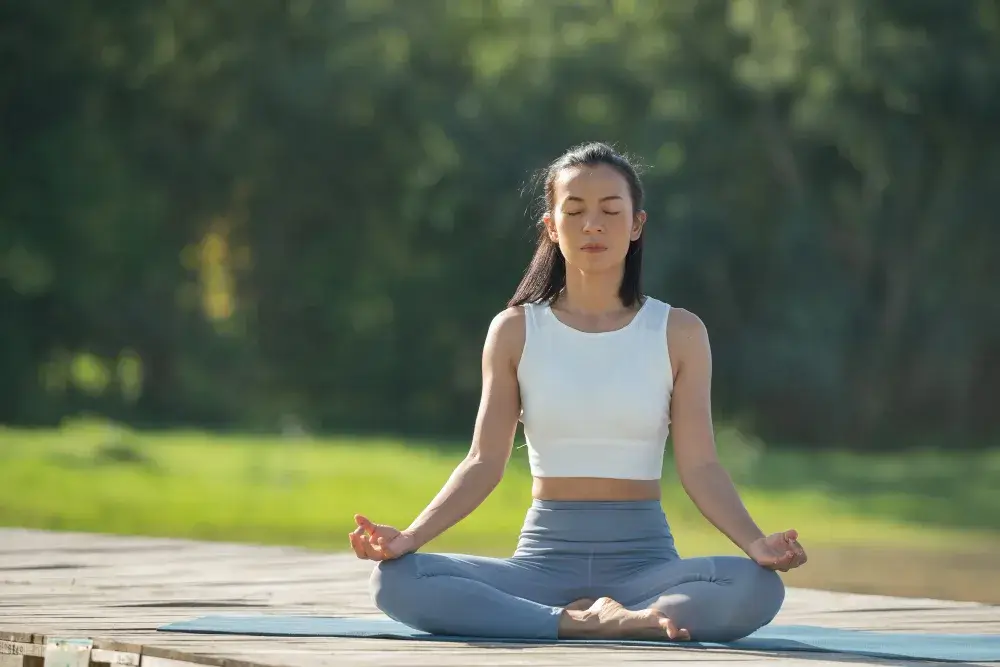
Kundalini Yoga
Kundalini Yoga combines physical yoga poses with breathing, meditation, focus, and other traditional practices. Common movements may include Easy Pose, Cat-Cow, Cobra Pose, Seated Forward Fold, and spinal movements. The goal is not simply to stretch your body. Many classes place strong attention on breath and mental focus. If you’re new, choose a beginner class where the teacher explains the movements clearly. Avoid copying advanced breathing practices from random online videos. NCCIH advises beginners to avoid extreme practices such as headstands, shoulder stands, lotus position, and forceful breathing. Start gently, learn the basics, and build your practice over time.
Prenatal Yoga
Prenatal Yoga
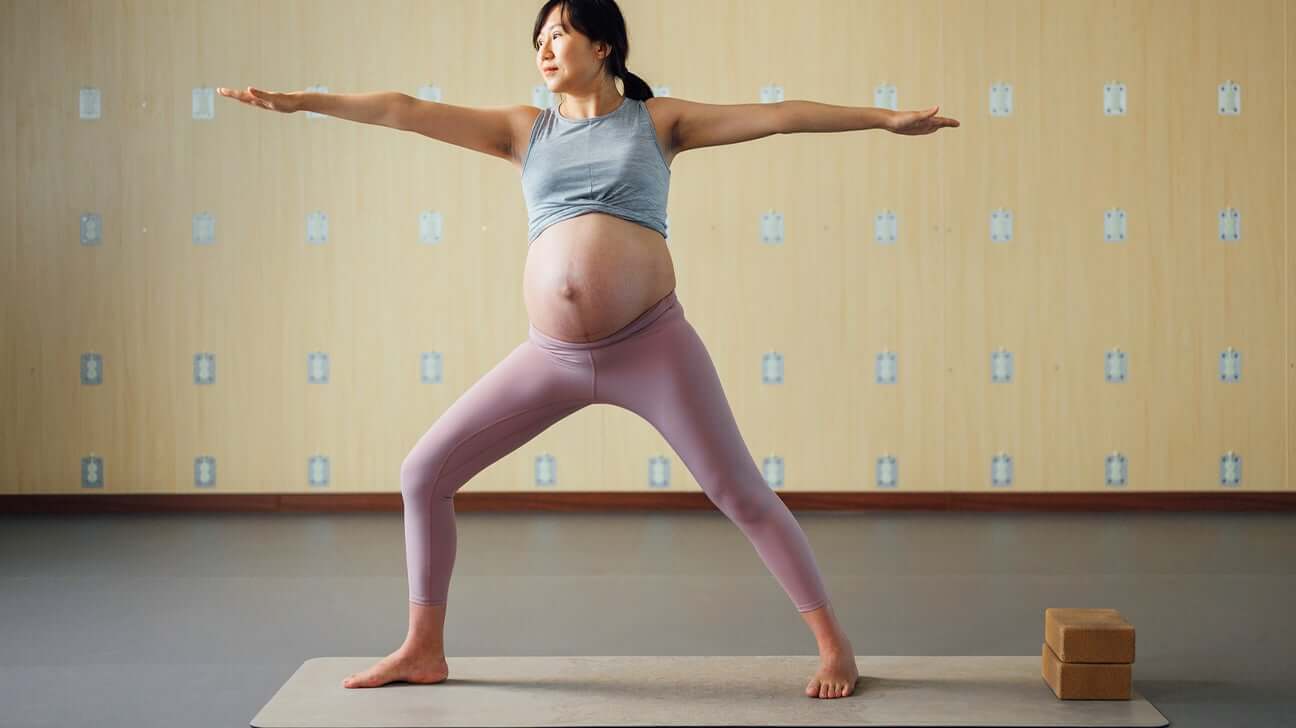
Prenatal yoga poses can offer gentle movement during pregnancy when your health care provider says exercise is safe for you. Useful options may include Cat-Cow, Supported Child’s Pose, Standing Side Bend, Warrior II, and supported squats, with changes based on your stage of pregnancy. Your body changes quickly during pregnancy, so a pose that felt comfortable last month may not feel right today. Avoid forcing your range of motion and tell your instructor that you’re pregnant. NCCIH notes that yoga can be safe during pregnancy with appropriate precautions, but some practices need modification, including avoiding long periods lying flat on your back. When in doubt, ask your obstetric care provider before continuing specific yoga poses.
Yoga Poses For Your Knees
Yoga Poses For Your Knees
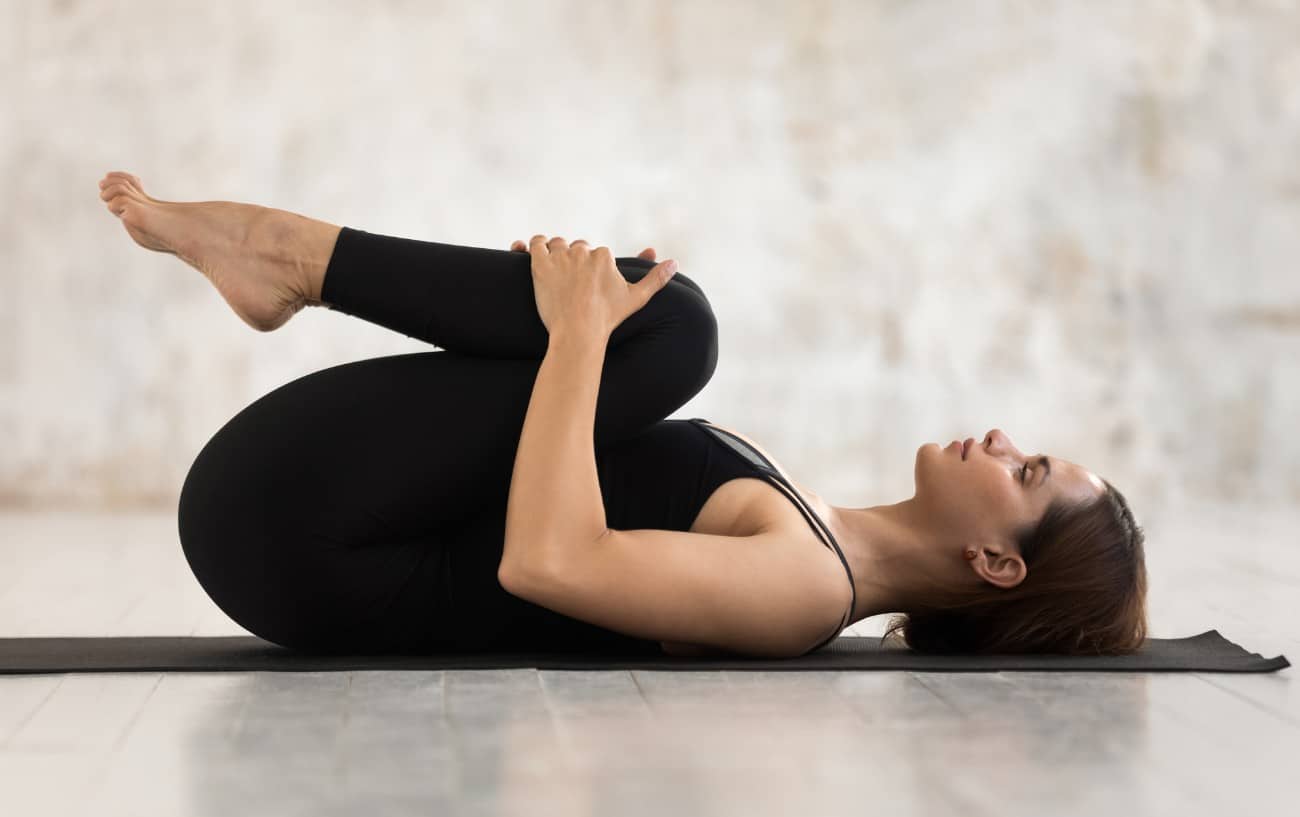
If your knees are sensitive, yoga poses should focus on controlled movement rather than forcing a deep bend. Try Mountain Pose, Supported Warrior II, Bridge Pose, Cat-Cow, and gentle Chair Pose with modifications. A folded blanket can add comfort under your knees during floor-based poses. The Arthritis Foundation recommends gentle activities that support flexibility, range of motion, strength, and balance for healthy joints. Its arthritis-friendly yoga guidance also suggests using a folded towel or blanket under painful knees during Cat-Cow. If a pose causes new or worsening joint pain, stop and get professional advice instead of pushing through it.
Yoga Poses For Your Hips
Yoga Poses For Your Hips
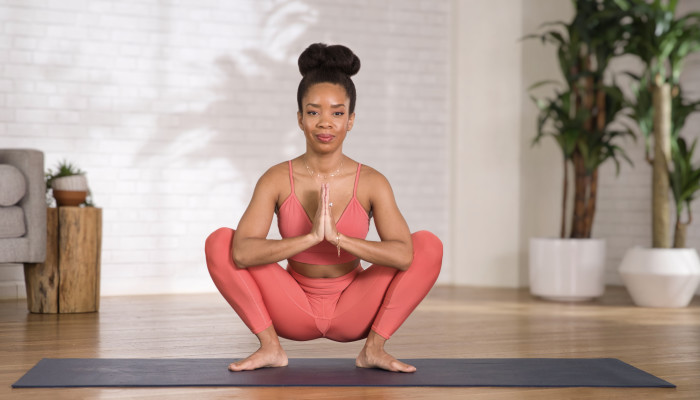
Tight hips can make everyday movements feel harder, especially after long hours of sitting. Yoga poses such as Butterfly Pose, Low Lunge, Pigeon Pose, Garland Pose, and Reclined Figure Four can target different areas around the hips. Start with easy versions rather than trying to copy an advanced class. For Pigeon Pose, place a cushion or folded blanket under the hip if needed. Butterfly Pose is another simple option because you can control the stretch by changing how close your feet are to your body. The Arthritis Foundation notes that yoga can improve flexibility, strength, balance, and function for people with arthritis when the practice is appropriately modified.
Poses For Your Lower Back
Poses For Your Lower Back
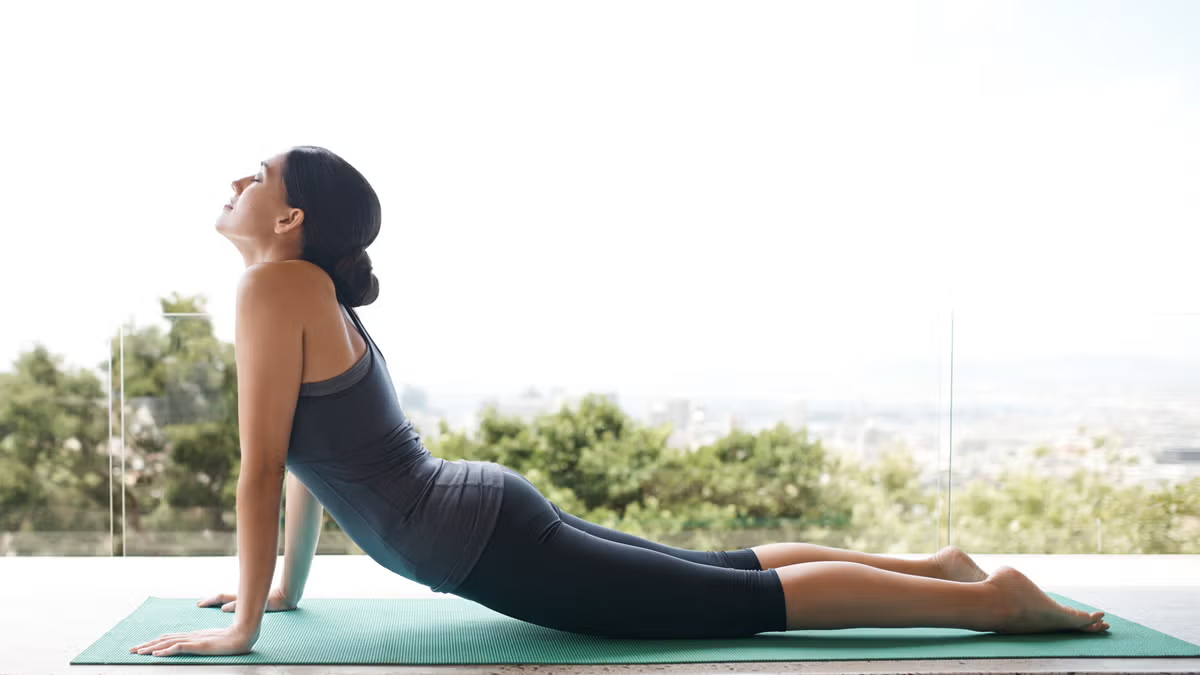
When people search for yoga poses for lower back pain, they often want one magic stretch. Your back deserves more patience than that. Gentle Cat-Cow, Child’s Pose, Sphinx Pose, Bridge Pose, and Supine Knee-to-Chest may fit into a careful routine, depending on your needs. Move slowly and avoid sharp pain. NCCIH says research on yoga for low-back pain suggests there may be a benefit, although individual results can vary. If you have an injury, numbness, weakness, or severe pain, don’t use a general yoga article as your treatment plan. A doctor or physical therapist can help you choose safer yoga poses for your condition.
Yoga Poses For Your Lungs
Yoga Poses For Your Lungs
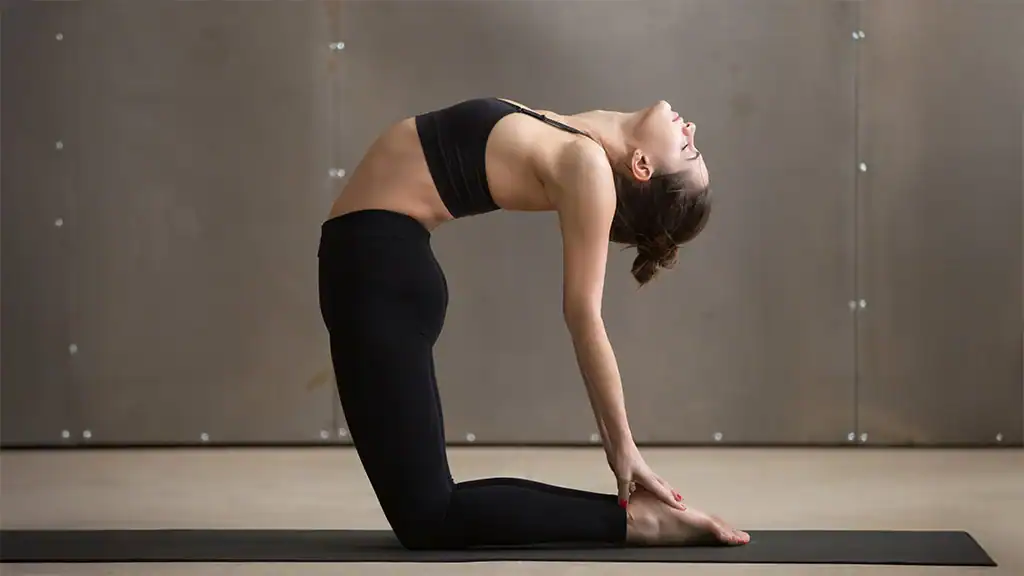
Yoga poses for your lungs are better viewed as breathing and chest-opening practices rather than a cure for lung disease. Try Mountain Pose, Cobra Pose, Supported Fish Pose, Bridge Pose, and gentle seated breathing. Sit or stand tall and let your ribs expand naturally as you breathe. Don’t force a huge breath. The Arthritis Foundation’s breathing guidance recommends comfortable belly breathing without forcing the breath. Yoga combines physical postures with breathing techniques and meditation, which is one reason it can feel calming as well as physical. If you have a diagnosed lung condition, ask your health care professional before changing your breathing routine.
Yoga Poses For Your Arms
Yoga Poses For Your Arms
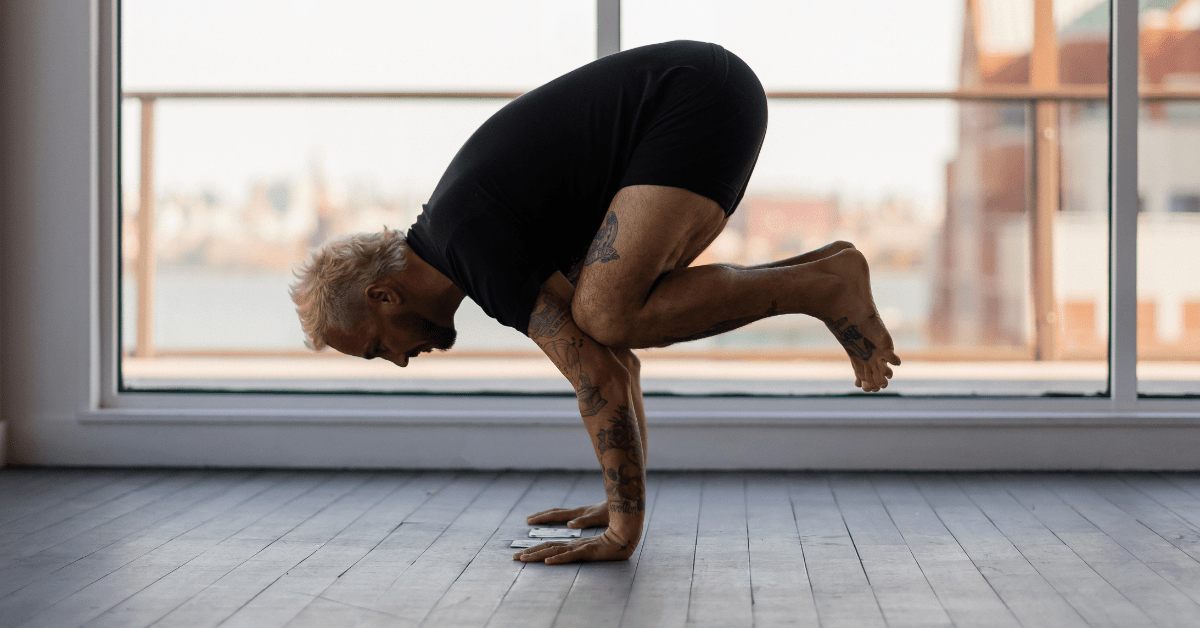
Want stronger and more active arms? Add yoga poses such as Downward-Facing Dog, Plank Pose, Side Plank, Dolphin Pose, and Tabletop. These movements ask your arms and shoulders to support part of your body weight. Start with Tabletop and Plank before trying harder poses. Keep your shoulders controlled and avoid collapsing into your wrists. If your wrists hurt, use a folded mat or ask an instructor about modifications. Yoga can also help improve strength and balance when practiced regularly. For beginners, quality matters more than holding a difficult pose for a long time.
Yoga Poses For Anxiety
Yoga Poses For Anxiety
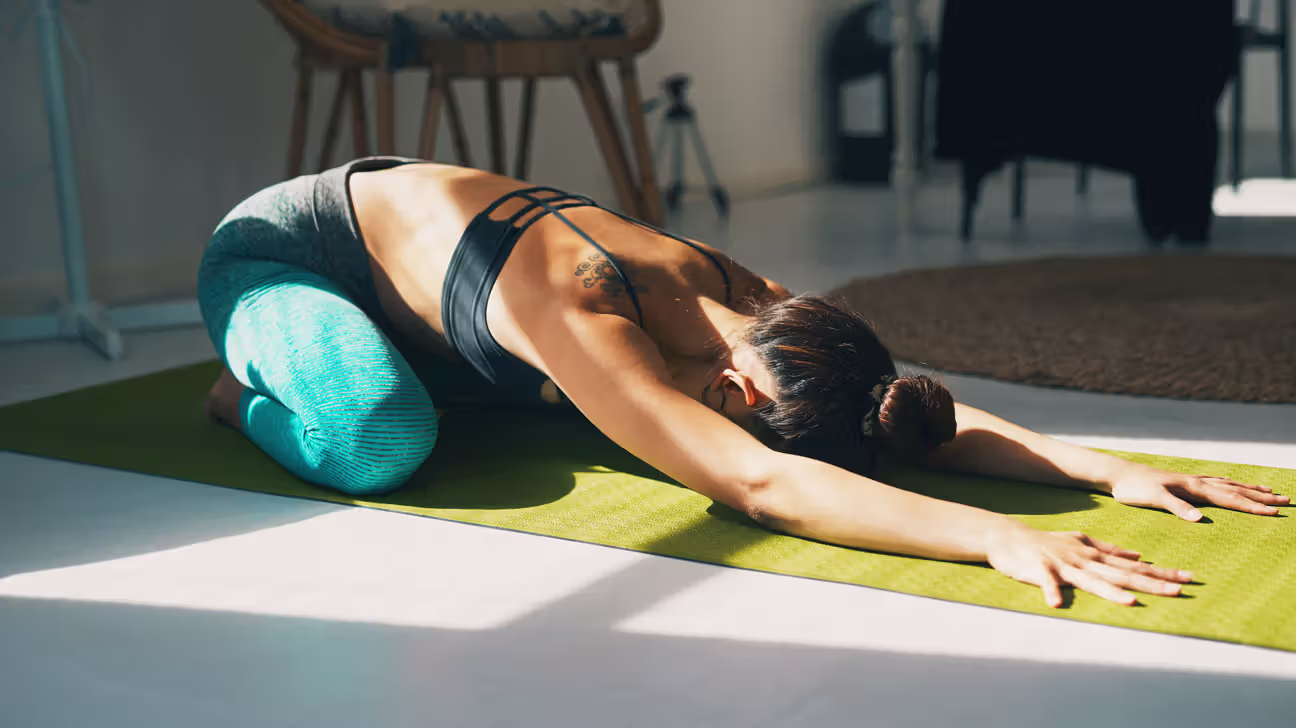
When your mind feels busy, yoga poses for anxiety can give you something simple to focus on: your body and your breath. Try Child’s Pose, Legs-Up-the-Wall, Easy Pose, Cat-Cow, and Corpse Pose. Move slowly and keep your breathing comfortable. You don’t need a 60-minute class to create a quiet moment. Even five minutes can give you space to pause. NCCIH reports that yoga may help people manage anxiety symptoms and may also support stress management and emotional well-being. Yoga is not a replacement for mental health care when anxiety is severe, but it can be one useful part of a broader self-care routine.
Yoga Poses For Digestion
Yoga Poses For Digestion
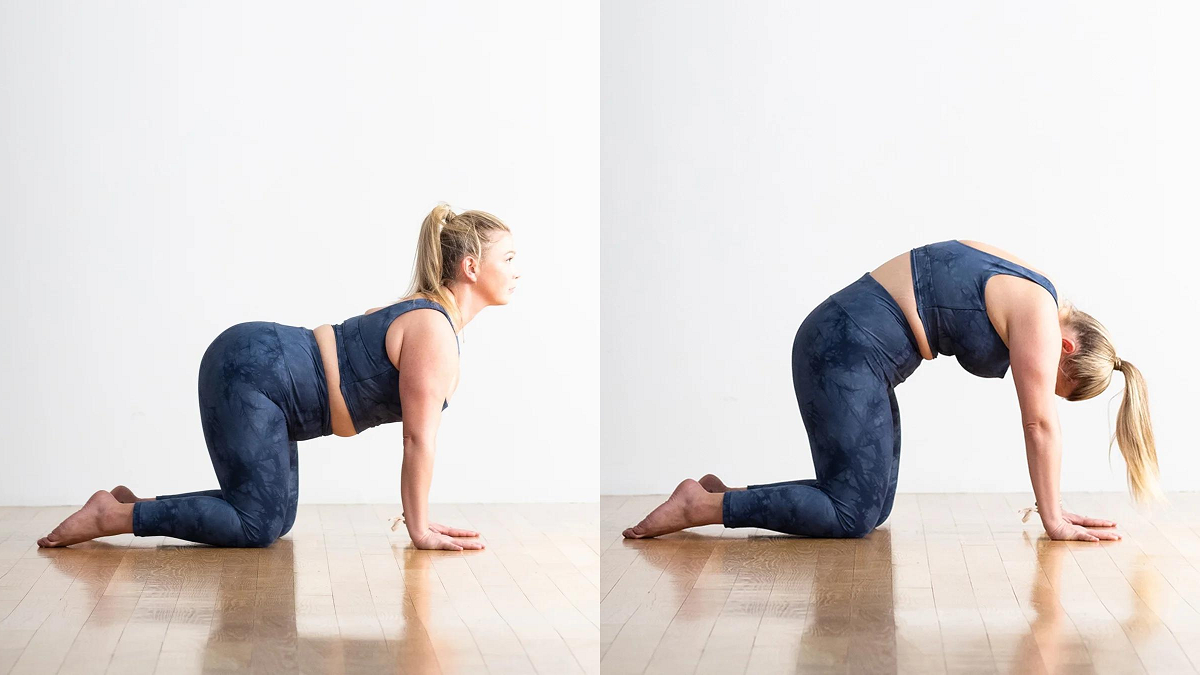
Yoga poses for digestion often include gentle twists, hip movements, and positions that encourage relaxed abdominal movement. Try Cat-Cow, Supine Twist, Wind-Relieving Pose, Child’s Pose, and gentle seated twists. Keep the practice comfortable, especially after eating. A short walk may also feel better than immediately doing deep yoga poses after a large meal. Think of this routine as a way to relax and move, not as a guaranteed treatment for digestive disease. If you have ongoing pain, vomiting, bleeding, unexplained weight loss, or another concerning symptom, speak with a medical professional rather than relying on yoga alone.
Yoga Poses For Insomnia
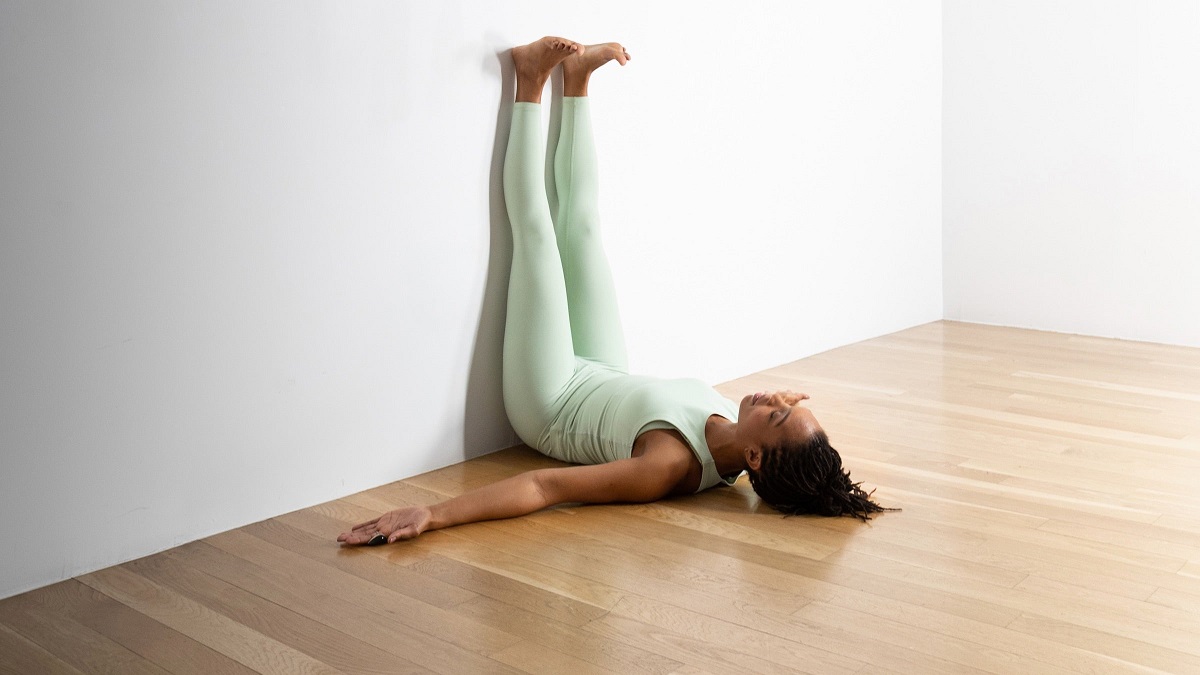
Yoga Poses For Insomnia
If falling asleep is a nightly struggle, calming yoga poses for insomnia may help you create a better bedtime routine. Try Child’s Pose, Reclined Bound Angle Pose, Supine Twist, Legs-Up-the-Wall, and Corpse Pose. Keep the lights low and avoid turning the session into a hard workout. Slow breathing can help you shift from a busy evening toward a quieter state. NCCIH says research suggests yoga may support sleep and general wellness. Keep expectations realistic. Yoga may support better sleep habits, but persistent insomnia can have many causes and deserves proper medical attention when it continues.
15-Minute Morning Yoga to Ease Tension in Your Entire Body
A 15-minute morning yoga routine doesn’t need to be complicated. Start with two minutes of easy breathing, followed by Cat-Cow, Child’s Pose, Downward-Facing Dog, Low Lunge, Warrior II, Standing Forward Fold, and Mountain Pose. Spend about one minute on each main movement and keep transitions slow. Finish with two minutes of comfortable breathing. If your body feels stiff in the morning, don’t chase a deep stretch right away. Give your joints and muscles time to warm up. Regular yoga can support flexibility, balance, strength, and relaxation, but the best routine is one you can perform consistently without pain.
| Time | Yoga pose | Focus |
|---|---|---|
| 0 to 2 min | Easy breathing | Calm and focus |
| 2 to 4 min | Cat-Cow | Spine movement |
| 4 to 6 min | Child’s Pose | Gentle release |
| 6 to 8 min | Downward Dog | Full-body stretch |
| 8 to 10 min | Low Lunge | Hips |
| 10 to 12 min | Warrior II | Legs and balance |
| 12 to 13 min | Forward Fold | Back-body stretch |
| 13 to 15 min | Mountain Pose and breathing | Reset |
Which Yoga Poses Are Right for Your Body and Goals?
The best yoga poses are the ones that match your current ability, not the most impressive poses on social media. If you’re new, start with Mountain Pose, Cat-Cow, Child’s Pose, Bridge Pose, and gentle standing poses. If your goal is strength, add Plank and Warrior variations. If you want flexibility, use gentle forward bends and hip-opening movements. For stress, choose slower practices with breathing and relaxation. People with arthritis may benefit from modified yoga, but the Arthritis Foundation stresses that the style and instructor should match individual needs.
| Your goal | Yoga poses to explore |
|---|---|
| Beginner fitness | Mountain, Cat-Cow, Chair |
| Flexibility | Forward Fold, Butterfly |
| Balance | Tree, Warrior II |
| Strength | Plank, Chair, Warrior |
| Relaxation | Child’s Pose, Corpse Pose |
| Gentle mobility | Cat-Cow, Supine Twist |
| Hip mobility | Low Lunge, Figure Four |
| Back-friendly movement | Cat-Cow, Bridge |
Final Thoughts
The best yoga poses aren’t always the hardest ones. Mountain Pose can teach you control. Cat-Cow can help you move your spine gently. Warrior poses can build strength and balance. Child’s Pose can give you a quiet pause when your day feels rushed. Start with movements that feel manageable, practice them regularly, and adjust them as your body changes. If you have an injury, chronic condition, or pregnancy-related concern, get advice before trying challenging yoga poses. A safe, steady practice will always beat forcing your body into a picture-perfect position.
FAQs
What are the 12 basic yoga asanas?
A useful beginner list of 12 yoga poses includes Mountain Pose, Tree Pose, Child’s Pose, Cat-Cow, Downward-Facing Dog, Cobra Pose, Bridge Pose, Warrior I, Warrior II, Triangle Pose, Seated Forward Fold, and Corpse Pose. These yoga poses cover standing, balancing, strengthening, stretching, twisting, and relaxation. There is no single official worldwide list of “12 basic asanas,” so different teachers may use different selections.
What are the 10 basic yoga poses?
Ten common beginner yoga poses are Mountain Pose, Cat-Cow, Child’s Pose, Downward-Facing Dog, Cobra Pose, Warrior I, Warrior II, Tree Pose, Bridge Pose, and Corpse Pose. These yoga poses give you a simple foundation before moving toward more demanding positions. Start slowly and learn comfortable alignment before increasing the time or difficulty.
What are the names of all the yoga poses?
There are hundreds of named yoga poses, and different yoga traditions use different names and variations. Common examples include Mountain Pose, Chair Pose, Warrior I, Warrior II, Triangle Pose, Tree Pose, Cobra Pose, Locust Pose, Bridge Pose, Plank Pose, Downward-Facing Dog, Child’s Pose, and Corpse Pose. A complete list would be extremely long and would still vary by yoga tradition.
What are the 7 basic poses of yoga?
Seven simple yoga poses for beginners are Mountain Pose, Cat-Cow, Child’s Pose, Downward-Facing Dog, Warrior II, Tree Pose, and Corpse Pose. Together, they introduce standing, balance, mobility, strength, stretching, and relaxation. If you’re completely new, practice these yoga poses with a qualified instructor when possible.
How long should a beginner hold yoga poses?
For many beginner yoga poses, starting with around 15 to 30 seconds can be reasonable, depending on the pose and your comfort. You don’t need to hold every position for a long time. Focus on smooth breathing and stable alignment. If you feel sharp pain, dizziness, or unusual discomfort, come out of the pose and seek appropriate advice.
Can yoga poses be practiced every day?
Many people can practice gentle yoga poses every day, especially when sessions include mobility, breathing, and relaxation. However, your routine should match your fitness level and health needs. Harder yoga poses may require recovery time. NCCIH recommends proper instruction and extra caution for people who are pregnant, older, or living with certain health conditions.