
Top 10 Best Tumble Dryers in India: Buying Guide, Prices & Reviews
If monsoon weather, small balconies, or a busy family routine keeps your clothes damp for hours, a tumble dryer can make laundry much easier. Dry clothes indoors without depending on sunlight, reduce the smell that comes from clothes staying wet, and get towels, bedsheets, school uniforms, and daily wear ready faster. The right dryer can also help you handle laundry safely and with less daily effort. Modern heat pump models focus on lower temperature drying and better fabric care, while sensor programs can stop the cycle when clothes reach the selected dryness level.
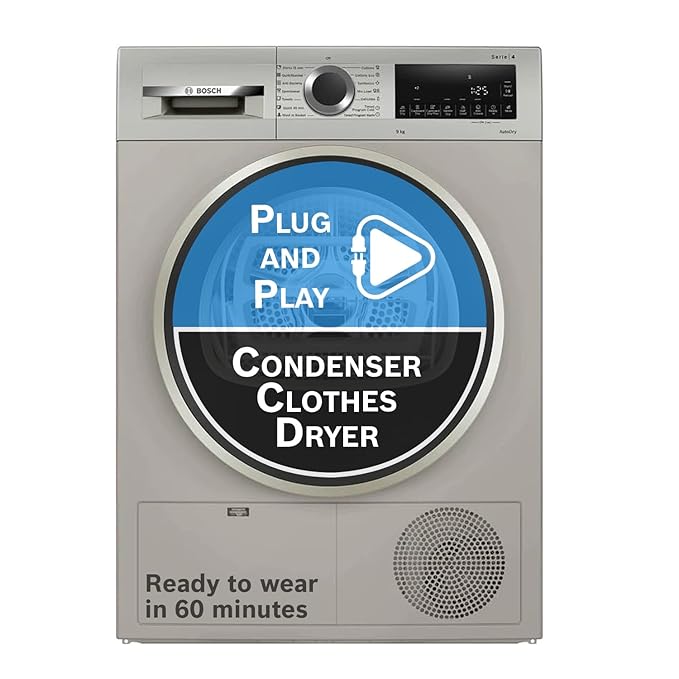
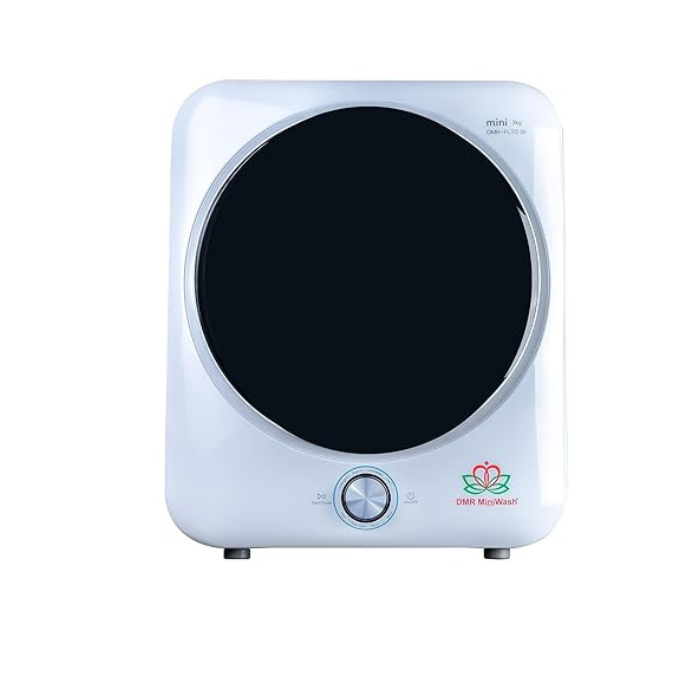
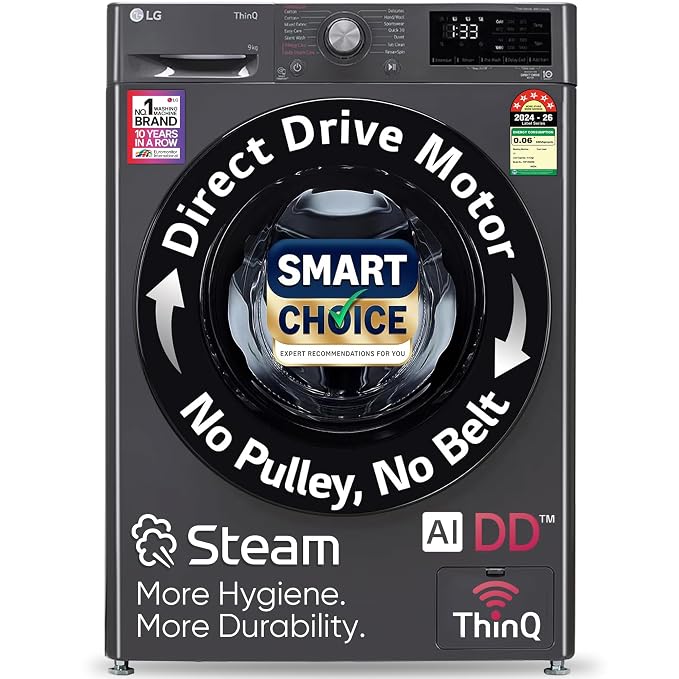
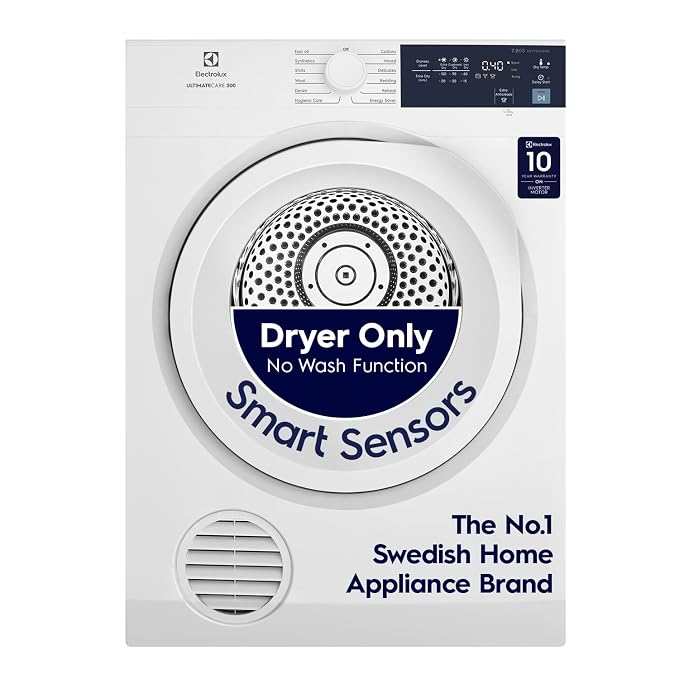
Top 10 Best Tumble Dryers in India for Effective Drying
Here are practical options worth checking if you are shopping for a clothes dryer in India. Prices below are current online observations from available shopping results and can change.
| Dryer | Capacity | Type | Observed price | Best for |
| LG DHV09SAB | 9 kg | Heat pump | ₹73,990 | Families and fabric care |
| Bosch WPG24108IN | 9 kg | Condenser | ₹51,190 | Large laundry loads |
| Bosch WQG2520XIN | 10 kg | Heat pump | ₹69,989 | Large families |
| LG DHV09SAM | 9 kg | Front load dryer | ₹71,890 | Everyday drying |
| IFB Turbo Dry 550 | 5.5 kg | Dryer | ₹16,208 | Smaller households |
| Bosch WPG23108IN | 8 kg | Condenser | ₹48,520 | Medium families |
| Bosch WTG86409IN | 7 kg | Condenser | ₹54,870 | Compact household loads |
| IFB Turbo Dry EX | 5.5 kg | Dryer | ₹23,589 | Budget buyers |
| IFB Maxi Dry 550 | 5.5 kg | Dryer | ₹22,601 | Small families |
| Bosch WTN86203IN | 7 kg | Condenser | ₹36,890 | Value focused buyers |
The strongest choice depends on your laundry volume, room size, budget, and electricity use. Current product results show a wide gap between compact IFB dryers and premium LG or Bosch heat pump machines, so you don’t need to spend ₹70,000 or more if your household has simple drying needs.
1. LG 9 kg Heat Pump Dryer: Best for Regular Family Laundry
The LG 9 kg dryer is a strong option when you want a premium standalone machine with modern fabric care. LG says its heat pump dryers operate at lower temperatures to help reduce shrinkage and wrinkles, while its Plug and Play design makes setup easier. The current online listing checked for the DHV09SAB showed ₹73,990, although the final selling price can vary.
Pros: Heat pump technology, 9 kg capacity, Lower temperature drying, Plug and Play setup, Good choice for frequent laundry
Cons: Higher upfront price, Larger than compact dryers, Premium features may be unnecessary for light users
2. Bosch 9 kg Condenser Dryer: A Practical Large Capacity Choice
The Bosch WPG24108IN offers a 9 kg drum and condenser drying. Bosch lists AutoDry, Sensitive Drying System, anti crease functions, and a remaining time display for this model. Its current official India price is ₹94,990, while shopping results can show lower prices depending on the seller and offer.
Pros: 9 kg capacity, AutoDry technology, Sensitive drying, Anti crease program, Useful for large loads
Cons: Higher official price, Condenser technology is not the same as heat pump drying, Needs regular filter care
3. Bosch 10 kg Heat Pump Dryer: Best for Bigger Families
If your laundry basket is always full, a 10 kg heat pump dryer can save you from running several small cycles. Bosch currently lists the WQG2520XIN as a 10 kg heat pump model in India, with an official recommended price of ₹1,01,990. Current shopping results showed prices around ₹69,989, so checking several sellers before buying makes sense.
Pros: Large 10 kg capacity, Heat pump technology, Good for bedding and family laundry, Lower temperature drying
Cons: Takes more floor space, Premium purchase, Check installation dimensions carefully
4. IFB 5.5 kg Dryer: A Budget Friendly Starting Point
A compact 5.5 kg IFB dryer can make sense for a couple, small family, or buyer who wants basic drying without spending heavily. Current shopping results showed IFB Turbo Dry models from roughly ₹16,208 to ₹23,589. This makes compact IFB models much more accessible than premium heat pump machines.
Pros: Lower entry price, Compact capacity, Suitable for smaller loads, Easier starting point for first time buyers
Cons: Smaller drum, Less suitable for very large families, Check energy use before frequent daily operation
What Is a Tumble Dryer?
A tumble dryer is an electric appliance that dries wet clothes by moving them inside a rotating drum while warm or conditioned air removes moisture. Unlike a washing machine, it does not normally wash your clothes. You put freshly washed clothes inside, select a suitable programme, and let the machine handle the drying. For Indian homes, this can be especially useful during monsoon months when clothes may stay damp for many hours.
Tumble Dryer Machines for Clothes: How Do They Work?
A tumble dryer works by rotating clothes inside a drum while air moves through the fabric. The machine collects or exhausts the moisture removed from your clothes, depending on its design. Heat pump and condenser models recycle or manage warm air internally, while vented models send humid air outside through a vent. Sensors in many modern dryers can also detect moisture and stop or adjust the cycle when clothes reach the selected dryness level.
What Are the Different Types of Drying Machines Available for Homes?
There are three common dryer designs you will see when shopping: heat pump, condenser, and vented tumble dryers. They all perform the same basic task, but their installation, energy use, drying speed, and purchase price can differ. For most modern apartments, ventless options are easier because you don’t need to create an external exhaust route. Your choice should depend on available space, electricity cost, laundry volume, and how often you use the machine.
1. Heat Pump Tumble Dryer
A heat pump tumble dryer uses a heat pump system to dry clothes at comparatively lower temperatures while reusing heat inside the drying system. That makes it attractive if you dry clothes frequently or want more gentle treatment for fabrics. LG’s current 9 kg models, for example, use Dual Inverter Heat Pump technology and offer Eco Hybrid settings that let you prioritize energy saving or faster drying.
2. Condenser Tumble Dryer
A condenser tumble dryer removes moisture from warm air and collects the resulting water in a container or drainage system. You don’t normally need an external exhaust pipe, which makes this design practical for many Indian homes. Condenser dryers can cost less than premium heat pump machines, although the exact running cost depends heavily on the model and programme. Bosch currently lists several condenser tumble dryers for the Indian market.
3. Vented Tumble Dryer
A vented tumble dryer pushes warm, moist air outside through a duct. This design can be simple, but installation becomes harder if your laundry area has no suitable external vent. In an Indian apartment, you should check the installation location before buying one. If you cannot safely route the exhaust outdoors, a ventless condenser or heat pump model is usually easier to manage.
What Is a Heat Pump Tumble Dryer?
A heat pump tumble dryer uses a heat pump to move and reuse heat rather than simply producing heat and exhausting it. This lets the dryer operate at lower temperatures, which can be kinder to clothes. The trade-off is usually a higher purchase price and potentially longer drying cycles. For someone who runs a dryer several times each week, the energy-saving design can make more sense over the life of the appliance.
What Is a Condenser Tumble Dryer?
A condenser tumble dryer collects moisture from the warm air produced during drying. It does not normally require the external exhaust duct used by a traditional vented design. That makes it convenient for apartments and enclosed laundry spaces. You still need to empty the water container when required unless your model has a suitable drainage connection.
Tumble Dryer vs Washing Machine: What Is the Difference?
A washing machine cleans clothes using water, detergent, movement, and rinsing. A tumble dryer focuses on removing moisture from clothes after washing. Think of them as two separate jobs in the same laundry process. Some washer dryer combos combine both jobs, but standalone machines can give you more flexibility when you have several loads to process.
| Feature | Washing Machine | Tumble Dryer |
| Main job | Wash clothes | Dry clothes |
| Uses water | Yes | Usually no direct washing water |
| Uses detergent | Yes | No |
| Rotating drum | Yes | Yes |
| Removes moisture | Mainly during spin | Yes |
| Drying programmes | Limited or combo dependent | Main function |
| Best use | Cleaning | Fast, controlled drying |
How to Find the Best Tumble Dryer?
Start with your weekly laundry routine, not the biggest number on the product page. If two people wash small loads twice a week, a huge 9 kg machine may be unnecessary. A family of four or more may find 8 kg or 9 kg much easier to live with. You should also check electricity consumption, drying programmes, filter cleaning, water drainage, warranty, and local service support before making the final decision.
What Features Should I Look for When Buying a New Drying Appliance?
Modern appliances come with amazing smart features to make your life easier. Look for gentle settings that protect your favorite outfits from heat damage.
Moisture sensors stop it early
Anti crease keeps things smooth
Child locks keep kids safe
How to Choose a Tumble Dryer for Small Apartments?
Measure the floor and door clearance before ordering. A ventless condenser or heat pump tumble dryer is usually easier to install than a vented design because you don’t need to route humid air outside. You should also check whether the appliance can be stacked safely with your existing front-load washing machine. Never assume two machines can be stacked simply because their dimensions look similar.
Best Tumble Dryers Available in India With Energy-Efficient Features
Heat pump models are the first place to look if energy efficiency is a priority. LG’s current range uses Dual Inverter Heat Pump technology and an Eco Hybrid function that allows users to select energy saving or faster drying modes. LG describes its system as designed for gentle drying and energy saving.
The exact savings depend on the cycle and your usage, so avoid believing a simple claim that one dryer will always use a fixed amount of electricity.
Top-Rated Front-Load Tumble Dryers for Delicate Clothes
Front-load tumble dryers are popular because you can see the drum, load clothes easily, and often access a wide range of drying programmes. For delicate clothes, temperature control matters more than simply choosing a premium brand. Look for dedicated programmes such as Delicates, Wool, Easy Care, and Low Heat. LG’s current 9 kg dryer range includes Delicates and Wool programmes, along with multiple drying controls.
Heat Pump vs Condenser Tumble Dryer: Which Is More Energy Efficient?
A heat pump model is generally the better option when lower energy use is a major priority. It recycles heat and usually dries at lower temperatures, while a conventional condenser dryer relies on a different heating and condensation process. The important catch is purchase price. If you only use your dryer occasionally, paying considerably more for a heat pump model may take longer to justify.
| Factor | Heat Pump | Condenser |
| Energy efficiency | Usually better | Usually lower |
| Purchase price | Higher | Often lower |
| Drying temperature | Lower | Higher |
| Fabric care | Excellent | Good |
| Drying speed | Can be slower | Often faster |
| Apartment friendly | Yes | Yes |
| Long-term frequent use | Excellent fit | Good |
LG vs Bosch Tumble Dryer: Which Brand Is Better for Indian Homes?
Both brands have strong options, so there isn’t one universal winner. LG stands out for heat pump technology, fabric care features, and Plug and Play convenience, while Bosch offers a broad India range with heat pump and condenser models, AutoDry, Sensitive Drying System, and other drying programs. Bosch’s current India range includes 8 kg, 9 kg, and 10 kg standalone dryers.
If your priority is easy setup and heat pump technology, LG deserves a close look. If you want more capacity choices and like Bosch’s drying controls, compare its current models before deciding.
Tumble Dryer Brands in India 2026: Which Names Should You Check?
The Indian dryer market includes LG, Bosch, IFB, Siemens, Samsung, Haier, and other appliance brands, with availability varying by model and city. Recent India focused comparisons continue to include LG, Bosch, IFB, Siemens, Samsung, Haier, and Electrolux among washer dryer and standalone dryer options. Before buying, don’t judge a brand only by the logo. Check the exact model, warranty, service coverage, replacement parts, capacity, and dryer technology.
| Brand | Best For | What to Look For | Price Level |
|---|---|---|---|
| Bosch | Premium drying | Heat-pump dryers, quiet operation, fabric care | Premium |
| LG | Smart features | AI/Smart features, efficient drying, larger capacities | Premium |
| Samsung | Technology lovers | Smart controls, modern drying programs, energy efficiency | Premium |
| IFB | Indian households | Fabric-care programs and practical features | Mid-range to Premium |
| Whirlpool | Value seekers | Simple controls and everyday drying | Mid-range |
| Voltas Beko | Budget-conscious buyers | Basic drying features and practical capacity | Budget to Mid-range |
| Haier | Feature-focused buyers | Multiple drying modes and modern designs | Mid-range |
Tumble Dryer Price in India: How Much Should You Pay?
The current market has a surprisingly wide price range. Compact 5.5 kg IFB dryers can appear around ₹16,000 to ₹24,000 in current shopping results, while Bosch 8 kg and 9 kg dryers can move into the ₹40,000 to ₹95,000 range. Premium LG heat pump dryers can also sit above ₹70,000.
Don’t assume the most expensive dryer is automatically the best. Your budget should match your usage. If you dry clothes twice a month, paying for premium heat pump technology may not make financial sense. If you run the dryer several times every week, efficiency and fabric care become much more important.
What Is the Average Cost of an Efficient Drying Machine in India?
For a useful household dryer, a realistic shopping range can stretch from roughly ₹20,000 to ₹75,000 or more, depending on capacity and technology. Current shopping results show compact IFB options near the lower end and premium LG and Bosch models toward the higher end. Treat these figures as a market snapshot rather than a fixed price list because discounts change often.
Affordable Tumble Dryers With Quick Dry Functions in India
If price matters most, look at smaller capacity machines and simple dryer designs. A 5.5 kg IFB dryer can be a sensible starting point for a couple or small family. For faster drying, don’t overload the drum because tightly packed clothes restrict airflow. A smaller, correctly loaded cycle can sometimes give you a better result than filling a larger drum to the maximum.
How Much Electricity Does a Tumble Dryer Use in a Typical Home?
There isn’t one fixed electricity figure for every dryer. Consumption depends on the dryer type, cycle length, load weight, fabric moisture, temperature, and machine efficiency. Drying appliances can be meaningful electricity users, which is one reason heat pump technology gets attention. A research review notes that textile drying can account for a significant share of household electricity use in some regions, although that figure should not be directly applied to every Indian home.
A simple way to estimate your cost is:
Electricity cost = energy used in kWh × your electricity rate per kWh
Check the machine’s energy information and multiply the expected consumption by your local tariff for a more realistic estimate.
Why Is My Tumble Dryer Not Heating Up?
If your dryer runs but clothes stay cold and wet, start with simple checks. Make sure the selected program actually uses heat, clean the lint filter, check airflow, and confirm that the door closes properly. A blocked filter or restricted airflow can affect drying performance. If the dryer still produces no heat after basic checks, stop using it and contact the manufacturer’s service team rather than opening electrical parts yourself.
Why Is My Tumble Dryer Taking Too Long to Dry Clothes?
The most common cause is often the load, not a broken machine. Overloading the drum prevents clothes from moving freely and limits airflow. Clothes that enter the dryer with too much water also take longer, so a good washing machine spin cycle helps. Clean the filter, separate heavy towels from light clothes, choose the correct program, and avoid stuffing the drum beyond its recommended capacity.
Why Is My Tumble Dryer Using Too Much Electricity?
Frequent long cycles can raise electricity use, especially with older or less efficient dryer designs. Overloading can also increase drying time because moisture cannot escape efficiently. If you use a dryer several times every week, compare a heat pump model with a conventional dryer and consider the total ownership cost, not only the purchase price. Heat pump models are built around energy saving through heat recovery and lower temperature drying.
How to Clean and Maintain a Tumble Dryer for Better Performance
A dryer needs regular care even though it doesn’t use detergent. Clean the lint filter after appropriate cycles, keep air passages clear, empty the water container on condenser models when required, and wipe the drum when needed. Follow the manual because cleaning requirements differ by model. Bosch, for example, highlights easy filter maintenance on its current heat pump dryer range.
Simple maintenance routine:
- Clean the lint filter regularly.
- Check the condenser when your model requires it.
- Keep the area around the dryer clear.
- Don’t overload the drum.
- Check the door seal.
- Follow the manufacturer’s cleaning schedule.
How to Use a Tumble Dryer Without Damaging Clothes
Always check the care label before putting clothing into the dryer. Some fabrics can shrink, lose shape, or become damaged by high temperatures. Separate delicate clothes from heavy towels, use a lower temperature program when appropriate, and don’t leave clothes sitting inside the drum for hours after the cycle finishes. Sensor drying can also help because the machine can stop when the selected dryness level is reached. Bosch’s AutoDry system is designed to monitor temperature and moisture during drying.
How Can I Use the Plug and Play Function in LG Dryers?
LG describes its Plug and Play feature as a convenient setup method that lets users plug the dryer into a suitable power connection and begin drying without the type of external exhaust setup associated with some other dryer designs. LG recommends choosing a suitable location, checking power compatibility, preparing the dryer, plugging it in, selecting settings, and running a test. Always follow the installation manual for your exact model.
Basic setup:
- Choose a stable, dry location.
- Check electrical compatibility.
- Leave the recommended clearance.
- Connect the dryer as instructed.
- Select a suitable drying program.
- Run a test cycle.
Tumble Dryer Reviews: What Should You Check Before Buying?
Don’t read reviews only for star ratings. Look for comments about drying time, noise, electricity use, fabric care, installation, service, and long term reliability. A dryer that receives five stars for performance may still be a poor fit if service is difficult in your city. Also separate reviews of the exact model from reviews of a similar product because features can differ significantly between models.
Tumble Dryer Near Me: Where Can You Buy One Locally?
For a major appliance, local availability matters because delivery, installation, warranty, and service can affect the overall experience. Check manufacturer stores, authorized dealers, and major online retailers. Bosch currently provides a dealer locator for its Indian dryer range, which is useful when you want to confirm local support before purchasing.
Where to Buy High Capacity Tumble Dryers Near Me?
If you need a 9 kg or 10 kg tumble dryer, compare the exact model across multiple sellers before placing your order. Bosch currently lists 9 kg and 10 kg standalone dryers in India, while LG has 9 kg dryer options. Check delivery access, installation requirements, warranty coverage, return rules, and final checkout price. A slightly cheaper machine isn’t a bargain if installation becomes difficult.
Tumble Dryer Buying Checklist: What Should You Check Before Ordering?
Before clicking Buy Now, take five minutes to check the basics. Measure your available space, decide your required capacity, choose heat pump or condenser technology, and calculate how often you will use the machine. Then compare energy use, drying programs, noise, filter cleaning, warranty, service availability, and seller reputation. This simple checklist can prevent an expensive mistake.
Quick checklist:
- Capacity: 5.5 kg, 7 kg, 8 kg, 9 kg, or 10 kg
- Dryer type: heat pump, condenser, or vented
- Installation space
- Electricity use
- Sensor drying
- Delicate fabric programs
- Anti crease feature
- Warranty
- Local service
- Current seller price
Tumble Dryer vs Professional Laundry Service: Which Is Better?
A home dryer gives you control and is useful when laundry is a daily task. A professional service makes more sense for delicate garments, heavy cleaning, dry cleaning, shoes, curtains, carpets, or clothes that need specialist treatment. Tumbledry currently lists laundry, dry cleaning, shoe cleaning, curtain cleaning, carpet cleaning, and other services, along with pickup and delivery in India.
What Makes a Tumble Dryer a Good Choice for Indian Families?
The biggest benefit is freedom from weather. Rain, humidity, limited balcony space, and busy schedules can turn simple laundry into a daily headache. A dryer gives you another option. For a family with school uniforms, towels, bedsheets, work clothes, and regular washing, having dry clothes ready when needed can save a surprising amount of time.
FAQs
What is tumble dry vs dryer?
Tumble dry is the specific instruction you see on your clothing tags. A dryer is the actual physical machine that does the job. When a tag says tumble dry it means the item is completely safe to go inside your machine.
Is a tumble dryer better than a washer dryer?
Yes a separate machine works much better and faster. Combo units take a very long time to finish a cycle and often leave things slightly damp. Separate units have bigger drums and dry your laundry perfectly every single time.
Can a washing machine also be a tumble dryer?
A standard washer only spins fast to remove extra water. It cannot blow hot air to dry things completely. You have to buy a special combo machine if you want both washing and drying features in one single box.
What are the disadvantages of using a tumble dryer?
The biggest drawback is the extra electricity cost on your monthly bill. They also take up space in your home. Finally putting very delicate items inside can sometimes cause them to shrink if you use high heat settings.
Is tumble dry mean no heat?
No it usually means you can use normal heat. If a clothing tag wants no heat it will specifically say tumble dry low or air fluff. Always check the little dots on the tag icon to know the right temperature.
How much does it cost to run a tumble dryer for 2 hours?
Running a standard condenser model for two hours uses about four units of power. Depending on your local city rates this costs around thirty to forty rupees. Heat pump models will cost less than half of that amount.
Does tumble dry use a lot of electricity?
Older vented models do use quite a bit of power compared to other home items. However the newest heat pump models are incredibly efficient. They save you a lot of money and use very little electricity during a load.
What dry cleaning services does Tumbledry provide?
Tumbledry is a popular laundry service brand in India. They offer professional washing shoe cleaning and dry cleaning for your delicate fabrics. They pick up your dirty laundry and bring it back fresh and neatly pressed.
How do I find the Tumbledry laundry and dryclean shop?
You can easily find their nearest shop by checking their official website or using map apps on your smart phone. They have stores in many Indian cities. You can also just call their customer care number to book a quick pickup.
How is LG dryer different from the dryer of other companies?
LG models feature advanced dual inverter motors that save extra power. They also connect to your home wifi so you can control them with your phone app. Their smart sensors stop the machine exactly when your items are perfectly dry.