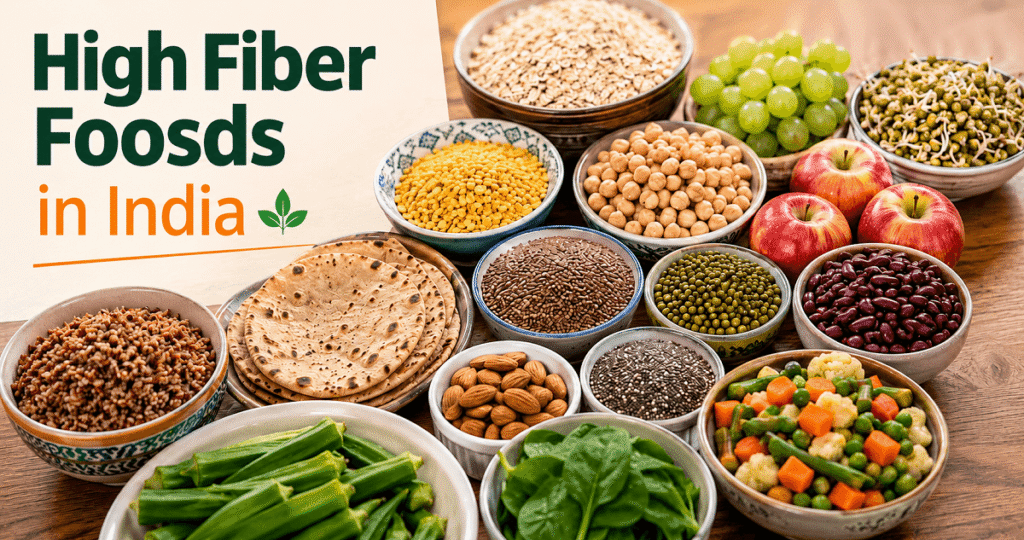
High fiber foods can make everyday eating easier, more filling, and better for digestive health. From a bowl of oats in the morning to dal, vegetables, fruit, nuts, and seeds later in the day, fiber is found in many simple foods. You do not need a complicated diet plan. You need a practical mix of foods that fits your family, budget, taste, and routine.
If your meals often leave you hungry soon after eating, or your digestion feels slow and uncomfortable, it may be time to look at your fiber intake. Fiber adds bulk to food and supports normal bowel movements, while certain types of fiber can also help support healthy cholesterol and blood sugar levels.
What Are High Fiber Foods and Why Should They Be Part of Your Daily Diet?
High fiber foods are plant-based foods that provide a good amount of dietary fiber. Fiber passes through the digestive system without being fully broken down. It can help keep bowel movements regular and can make meals more filling.
Good choices include:
- Fruits such as pears, apples, raspberries, and bananas
- Vegetables such as carrots, broccoli, beetroot, and sweet potatoes
- Pulses such as lentils, chickpeas, kidney beans, and split peas
- Whole grains such as oats and quinoa
- Nuts and seeds such as almonds and chia seeds
A good fiber-rich diet is not about eating one special food. It is about adding different plant foods across the day.
Not All Fiber Is Equal: Soluble vs. Insoluble Fiber
Fiber comes in different forms. Soluble fiber mixes with water and forms a soft, gel-like material. It is found in foods such as oats, apples, beans, lentils, and chia seeds. Insoluble fiber adds bulk to stool and supports regular bowel movements.
Foods with plenty of soluble fiber can be useful when you want more fiber in a balanced diet. Oats, beans, lentils, apples, pears, and chia seeds are easy options to add to regular meals.
Why Is a High-Fiber Diet Important for Your Health?
Fiber is an important part of a healthy eating pattern. Foods rich in fiber also provide vitamins, minerals, and other useful plant nutrients.
WHO recommends getting carbohydrates mainly from whole grains, vegetables, fruits, and pulses. Higher dietary fiber intake has also been linked with better health outcomes, including lower risks of several chronic diseases.
What Happens When You Do Not Eat Enough Fiber?
A diet low in fiber can make it harder to maintain regular bowel movements. You may also find that meals do not keep you full for very long.
Common signs of a low-fiber diet can include:
- Hard or infrequent stools
- Feeling less satisfied after meals
- Very little fruit or vegetable intake
- Heavy reliance on refined grains and processed foods
- Difficulty reaching daily fiber needs
The simple fix is not to suddenly eat huge amounts of fiber. Start small and build your intake over time.
How Much Fiber Should You Eat Every Day for Better Digestive Health?
For adults, WHO recommends at least 25 grams of naturally occurring dietary fiber per day. It also recommends at least 400 grams of fruits and vegetables daily for adults. Individual needs can differ based on age, health, activity, and diet.
A simple daily approach is:
- Breakfast: oats, fruit, or whole grain foods
- Lunch: dal, beans, vegetables, and whole grains
- Snack: fruit, nuts, or seeds
- Dinner: vegetables with dal, beans, or another fiber-rich food
If you currently eat very little fiber, increase it gradually and drink enough water.
The Ultimate Chart of High Fiber Foods: Fruits, Vegetables, Grains, Legumes, Nuts and Seeds
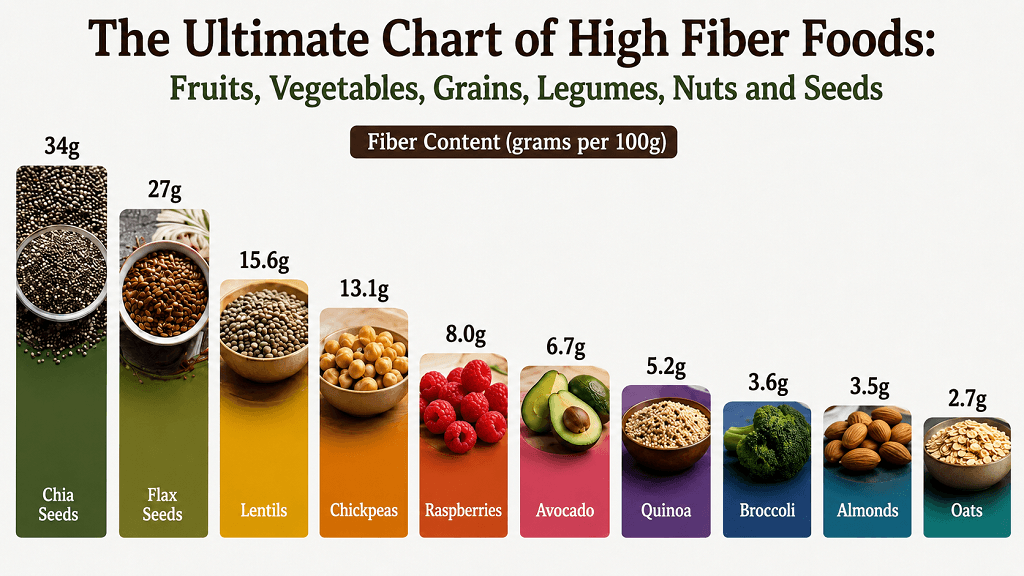
| Food group | High-fiber food examples | Easy way to eat them | Serving size (grams) | Total fiber (grams)* |
| Fruits | Pears, apples, raspberries, strawberries, bananas | Breakfast, snack, fruit bowl | ~150g (1 medium piece or 1 cup) | 4 – 8g |
| Vegetables | Carrots, broccoli, beetroot, Brussels sprouts | Sabzi, salad, soup | ~130g (1 cup chopped) | 3 – 5g |
| Legumes | Lentils, kidney beans, chickpeas, split peas | Dal, rajma, chana, soup | ~100g (cooked, about ½ cup) | 7 – 9g |
| Whole grains | Oats, quinoa, whole wheat | Breakfast, roti, bowls | ~45g (dry / uncooked weight) | 4 – 6g |
| Nuts | Almonds, peanuts, walnuts | Snack or topping | ~28g (1 oz or a small handful) | 2 – 4g |
| Seeds | Chia seeds, flaxseeds | Oats, curd, smoothies | ~15g (1 Tablespoon) | 3 – 5g |
| Other | Popcorn, dark chocolate | Smart snack in moderate portions | ~30g (1 oz or 3 cups popped) | 3 – 4g |
What Are the Best High Fiber Foods to Include in Your Daily Diet?
The best choices are foods you can actually enjoy and eat regularly. There is no need to depend on one food.
1. High Fiber Fruits
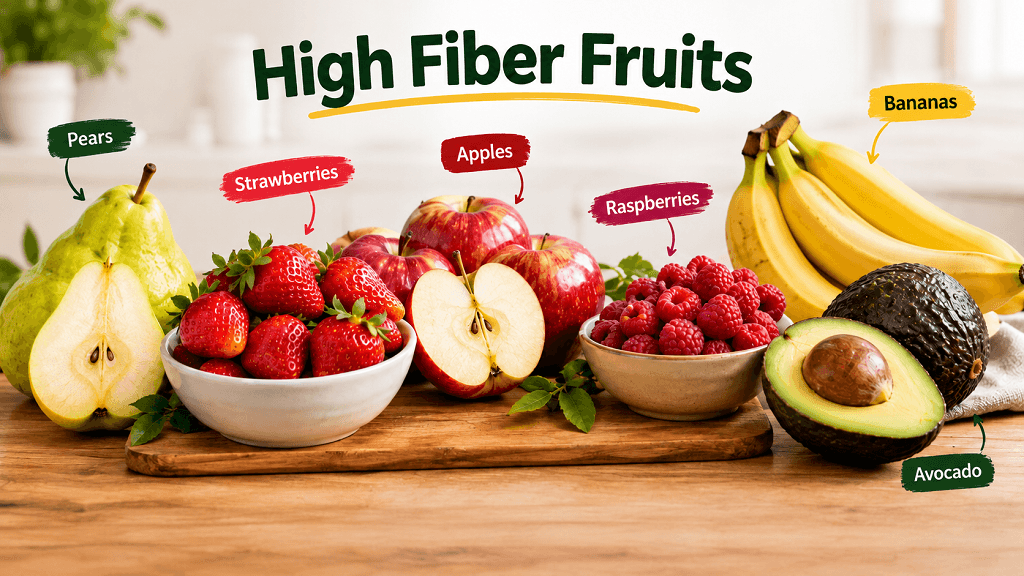
- Pears: Pears are an easy fruit to add to breakfast or an afternoon snack. Keeping the edible skin on can help retain more fiber. Wash the fruit well before eating.
- Strawberries: Strawberries add fiber along with vitamin C and natural sweetness. Add them to oats, curd, or a simple fruit bowl.
- Apples: An apple is an easy grab-and-go snack. Eating the skin gives you more of the fruit’s natural fiber, so wash it properly before eating.
- Raspberries: Raspberries are a useful high-fiber fruit option. Fresh or frozen berries can be added to oats, yogurt, or homemade smoothies.
- Bananas: Bananas are convenient, affordable, and easy to add to breakfast. Slice one over oats or pair it with a small serving of nuts.
- Avocado: Avocado contains fiber and healthy unsaturated fats. Add it to toast, salads, wraps, or a simple homemade sandwich.
2. High Fiber Vegetables
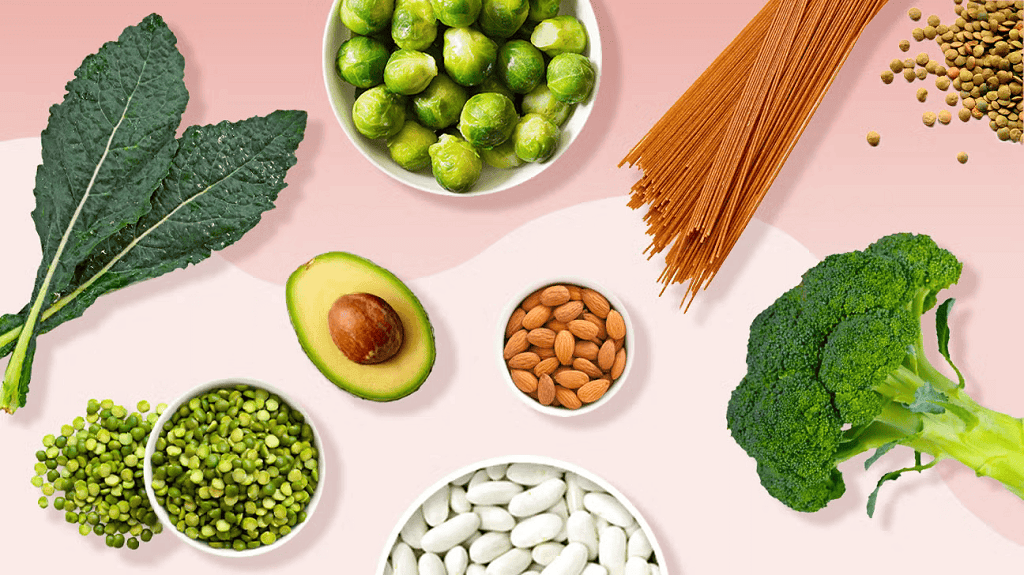
- Carrots: Carrots work well both raw and cooked. Add grated carrots to salads, use them in mixed vegetable dishes, or keep sliced carrots ready for snacks.
- Beets: Beetroot can add color and fiber to your plate. Try it roasted, steamed, grated into salads, or cooked into a familiar Indian sabzi.
- Broccoli: Broccoli is a simple way to add vegetables and fiber to lunch or dinner. Steam, roast, or stir-fry it instead of heavily frying it.
- Artichoke: Artichokes are particularly fiber-rich vegetables and can be added to salads, dips, or cooked dishes when available.
- Brussels Sprouts: Brussels sprouts can be roasted, steamed, or lightly sautéed. Pair them with other vegetables for a more varied dinner plate.
- Sweet Potatoes: Sweet potatoes are a filling option that can replace refined snack foods. Bake or steam them and enjoy them with spices, curd, or a vegetable meal.
3. High Fiber Legumes
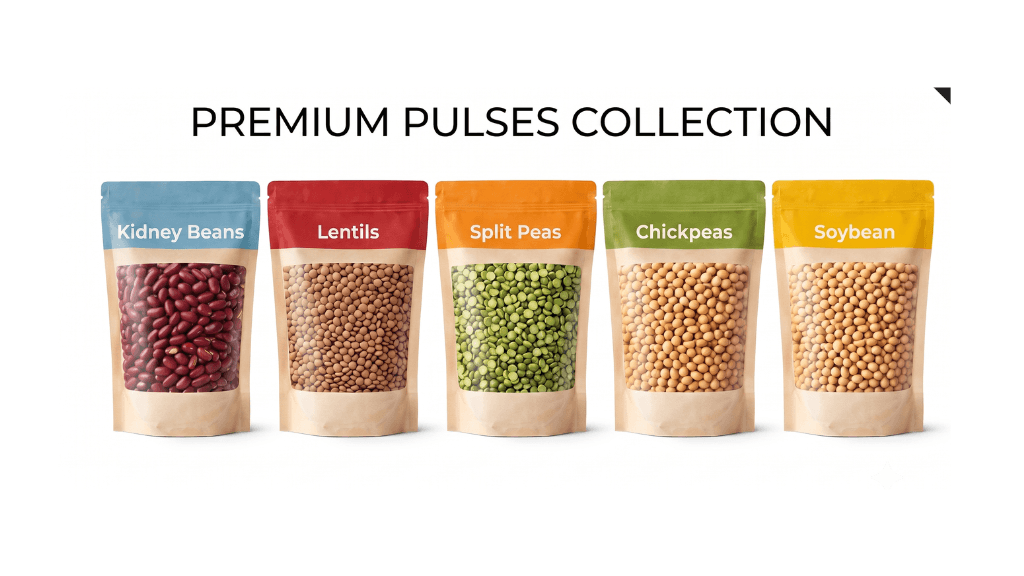
- Kidney Beans: Rajma is already a familiar food in Indian kitchens. Serve it with vegetables and a suitable grain for a satisfying meal.
- Lentils: Dal is one of the easiest ways to make fiber part of a regular Indian lunch or dinner. Try moong, masoor, or other lentils.
- Split Peas: Split peas can be used in soups, dals, and mixed dishes. They are a useful option when you want more plant-based protein and fiber.
- Chickpeas: Chickpeas are flexible and budget-friendly. Use them in chana masala, salads, chaat, hummus, or roasted snacks.
4. Other High-Fiber Sources
- Oats: Oats make an easy breakfast. Cook them with milk or water and add fruit, chia seeds, or nuts for more fiber.
- Quinoa: Quinoa can be used in place of rice in some meals. Mix it with vegetables, beans, or a simple homemade dressing.
- Popcorn: Plain air-popped popcorn can be a fiber-containing snack. Keep added butter, sugar, and salt modest.
- Almonds: Almonds offer fiber along with protein and healthy fats. A small handful can make a convenient snack between meals.
- Chia Seeds: Chia seeds are tiny but useful. Add them to oats, curd, smoothies, or soaked chia preparations.
- Dark Chocolate: Dark chocolate can contain fiber, but portions matter. Choose a higher-cocoa option and enjoy a small amount rather than treating it as a main fiber source.
Top 10 High Fiber Foods in India in 2026: Simple Foods for Everyday Indian Meals
For Indian families, fiber does not have to come from expensive or unfamiliar foods. Many everyday foods already fit into a high-fiber eating pattern.
- Lentils and dal: Easy to use in lunch and dinner.
- Chickpeas: Great for chana, chaat, salads, and snacks.
- Kidney beans: A familiar source of fiber in rajma dishes.
- Green peas: Easy to add to pulao, poha, and vegetable dishes.
- Guava: A simple fruit for a fiber-rich snack.
- Apples: Convenient for school, work, or travel.
- Oats: Useful for breakfast and quick snacks.
- Carrots: Easy to add to salads and cooked meals.
- Sweet potatoes: A filling alternative to many processed snacks.
- Chia seeds: Easy to mix into curd, oats, and drinks.
Easy High-Fibre Indian Meal Ideas and Local Options
Finding high fiber foods in India is easier than it may seem. Start with foods already used at home. Try vegetable poha with peas, oats with fruit, dal with vegetables, rajma with salad, chana chaat, whole wheat roti with sabzi, or curd topped with chia seeds.
Indian dietary guidance also emphasizes varied foods and highlights the positive health role of dietary fiber, antioxidants, and phytonutrients.
Health Benefits of Eating High Dietary Fiber Foods Every Day
Fiber-rich foods can support a healthy eating pattern in several ways. Whole grains, vegetables, fruits, pulses, nuts, and seeds bring more than fiber to the table. They also provide important nutrients.
Potential benefits include:
- Supporting regular bowel movements
- Helping you feel full after meals
- Supporting heart health as part of a healthy diet
- Helping maintain a balanced diet
- Adding variety to meals
- Supporting better overall diet quality
WHO reports that higher dietary fiber intake is associated with lower risk of several noncommunicable diseases and mortality outcomes.
Want to Lose Weight? Best Low Calorie High Fiber Foods
If weight management is your goal, fiber can make meals more satisfying without relying on highly processed snacks. Good choices include vegetables, berries, apples, pears, carrots, beans, lentils, and air-popped popcorn.
Try replacing a high-calorie snack with fruit and a small serving of nuts. Add vegetables to lunch and dinner instead of simply increasing the size of refined grain portions.
Struggling With Cholesterol? How High Soluble Fiber Helps
Soluble fiber is found in foods such as oats, beans, lentils, apples, and pears. It can form a gel-like material in the digestive tract and is part of a heart-friendly eating pattern.
If you have high cholesterol or take cholesterol medicine, do not use fiber as a replacement for prescribed treatment. Discuss major diet changes with your doctor or dietitian.
Why Are High Fiber Rich Foods Essential for Ending Digestive Discomfort?
Fiber can help support regular bowel movements, but adding too much too quickly may cause gas or bloating. The goal is steady progress.
Start with smaller servings and increase them over several days. Drink enough fluids and include different fiber sources rather than eating a very large amount of one food.
If digestive discomfort is persistent, severe, or unusual for you, speak with a healthcare professional instead of trying to fix it only through diet.
How to Add More Fiber to Your Diet: 15 Tips From Dietitians
You do not need to change everything at once. Small habits are easier to maintain.
- Add fruit to breakfast.
- Keep fruit where the family can see it.
- Add vegetables to dal.
- Choose whole grain options more often.
- Add beans or chickpeas to salads.
- Keep roasted chickpeas as a snack.
- Sprinkle chia seeds over curd.
- Add vegetables to poha or upma.
- Choose oats for some breakfasts.
- Keep nuts available for small snacks.
- Add lentils to soups.
- Try a vegetable-rich dinner.
- Eat fruit instead of drinking juice.
- Increase fiber slowly.
- Drink enough water throughout the day.
WHO recommends choosing whole grains, fruits, vegetables, and pulses as major carbohydrate sources, making these simple swaps a practical starting point.
Simple Ways to Eat More High Fiber Fruits and Vegetables Daily
Keep the plan simple. Have one fruit with breakfast, another fruit as a snack, and include vegetables with lunch and dinner.
You can also:
- Add banana or berries to oats
- Keep apples or pears ready to eat
- Add grated carrot to salads
- Mix peas into rice dishes
- Add broccoli to stir-fries
- Keep chopped vegetables ready for quick meals
How To Increase Fiber Without Creating Gas or Bloating
Your gut may need time to adjust when you suddenly increase fiber. Add one change at a time and slowly increase portions.
Try this approach:
- Start with a small serving
- Increase fiber over several days
- Drink water regularly
- Eat a mix of fruits, vegetables, grains, pulses, nuts, and seeds
- Chew food well and eat at a comfortable pace
- Avoid suddenly adding very large amounts of beans or fiber supplements
If bloating or pain continues, ask a healthcare professional for advice.
High Fiber Food Comparison Table: Which Choices Fit Your Daily Routine Best?
| Food | Best use | Why it is useful | Easy Indian meal idea |
| Lentils | Lunch or dinner | Fiber and plant protein | Dal with roti and sabzi |
| Chickpeas | Lunch or snack | Filling and versatile | Chana chaat |
| Kidney beans | Main meal | Fiber and plant protein | Rajma with vegetables |
| Oats | Breakfast | Easy and quick | Oats with banana and chia |
| Apple | Snack | Portable and simple | Whole apple |
| Pear | Snack | Naturally sweet | Fresh pear |
| Carrot | Snack or side | Easy vegetable choice | Carrot salad |
| Sweet potato | Snack or side | Filling whole food | Steamed sweet potato |
| Chia seeds | Breakfast or snack | Easy to add to meals | Chia with curd |
| Almonds | Snack | Fiber, protein, and healthy fats | Small handful with fruit |
How to Use High Fiber Foods Safely in Your Everyday Diet
Think of fiber as part of a balanced plate, not a quick fix. You can start with one extra serving of vegetables or fruit each day and slowly build from there.
A simple routine could look like this:
- Morning: Oats with banana and chia seeds
- Mid-morning: Apple or pear
- Lunch: Dal, vegetables, and a suitable whole grain
- Evening: Small serving of almonds or plain popcorn
- Dinner: Chickpeas, beans, or dal with vegetables
People with certain digestive conditions, swallowing problems, bowel problems, or special dietary needs may require individual advice. If you are unsure, talk with a doctor or registered dietitian before making a major dietary change.
Why Starting With Small Fiber Changes Can Make Healthy Eating Easier
You do not need a perfect diet on day one. Start with one small change that fits your routine. Add fruit to breakfast, put more vegetables on your lunch plate, or swap a refined snack for chickpeas or nuts.
Over time, these small choices can become normal family habits. A varied diet built around fruits, vegetables, pulses, whole grains, nuts, and seeds is a strong foundation for healthy eating.
Conclusion
A high-fiber diet does not need to be complicated. You can find plenty of fiber in familiar foods such as dal, rajma, chana, vegetables, fruits, oats, nuts, and seeds.
The best approach is to increase fiber gradually, drink enough fluids, and eat a wide variety of foods. WHO recommends at least 25 grams of naturally occurring dietary fiber each day for adults, along with at least 400 grams of fruits and vegetables.
Use this guide as a starting point, not a strict meal plan. Your age, health, activity level, and personal needs all matter. If you have a medical condition or ongoing digestive symptoms, get personal advice from a qualified healthcare professional.
FAQs
What Food Is Highest in Fiber?
There is no single best high-fiber food for everyone. Legumes, certain fruits, vegetables, seeds, nuts, and whole grains can all provide useful amounts of fiber. Chia seeds, beans, lentils, chickpeas, berries, oats, and vegetables are good foods to consider. Serving size matters, so compare nutrition labels where available.
What Are the 10 Best Foods for Fiber?
Ten useful choices are lentils, chickpeas, kidney beans, split peas, chia seeds, oats, raspberries, pears, apples, and sweet potatoes. You do not need to eat all ten every day. Mix different foods across meals so your diet stays varied and enjoyable.
How Can I Increase My Fiber?
Start slowly. Add fruit to breakfast, include vegetables at lunch and dinner, choose lentils or beans more often, and add oats, nuts, or seeds to snacks. Increase portions gradually and drink enough fluids. A sudden jump in fiber can cause gas or bloating.
What Is Psyllium, the Fiber in Metamucil?
Psyllium is a soluble fiber made from the husks of Plantago ovata seeds. It absorbs water and forms a gel-like material. Metamucil is one brand that contains psyllium in some of its products. Follow the product directions and speak with a healthcare professional if you are unsure whether a fiber supplement is right for you.
What Are the Best High Fiber Foods in India?
Many everyday Indian foods are good options, including dal, chickpeas, rajma, peas, vegetables, guava, apples, oats, whole grains, nuts, and seeds. You can add them to familiar meals instead of completely changing your diet.
How to Add More High Dietary Fiber Foods to Your Daily Routine Without Gas?
Increase fiber gradually rather than making a large change overnight. Start with small portions of fruits, vegetables, oats, lentils, or seeds. Drink enough water and spread fiber across the day. If gas, bloating, or pain does not improve, speak with a healthcare professional.
What Are the Top High Fiber Fruits and Vegetables to Eat Every Day?
Good fruit choices include pears, apples, raspberries, strawberries, bananas, and avocado. Vegetable choices include carrots, beetroot, broccoli, artichokes, Brussels sprouts, and sweet potatoes. Pick a mix based on what is available, affordable, and enjoyable for your family.
Which Fiber RichVegetables Should You Add to Your Dinner Plate?
Try carrots, broccoli, beetroot, sweet potatoes, peas, and Brussels sprouts. You can prepare them as sabzi, roasted vegetables, soup, salad, or a simple side dish. Adding two different vegetables to dinner is an easy way to make your plate more varied.
Customer Reviews
No reviews yet. Be the first to leave one.