Daikin AC vs. Mitsubishi AC : Which AC is Better for Extreme Heat?
When you’re shelling out a premium for a Japanese AC , you aren’t just buying a cooling machine—you’re buying the peace of mind that comes with legendary engineering. In the brutal heat of an Indian summer, where 45°C is the new normal, the debate usually boils down to two giants: Daikin AC and Mitsubishi AC.
Here is the expert, human-centered breakdown to help you decide which one deserves a spot on your wall in 2026.
Daikin AC
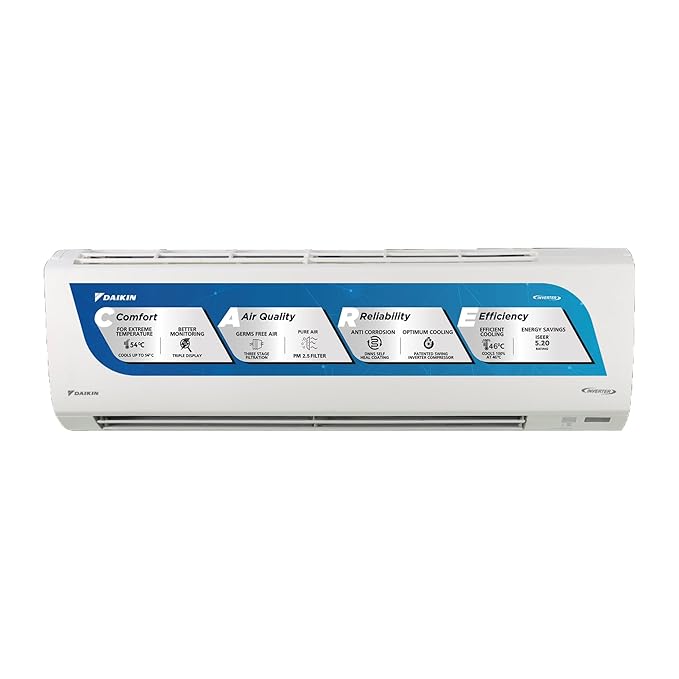
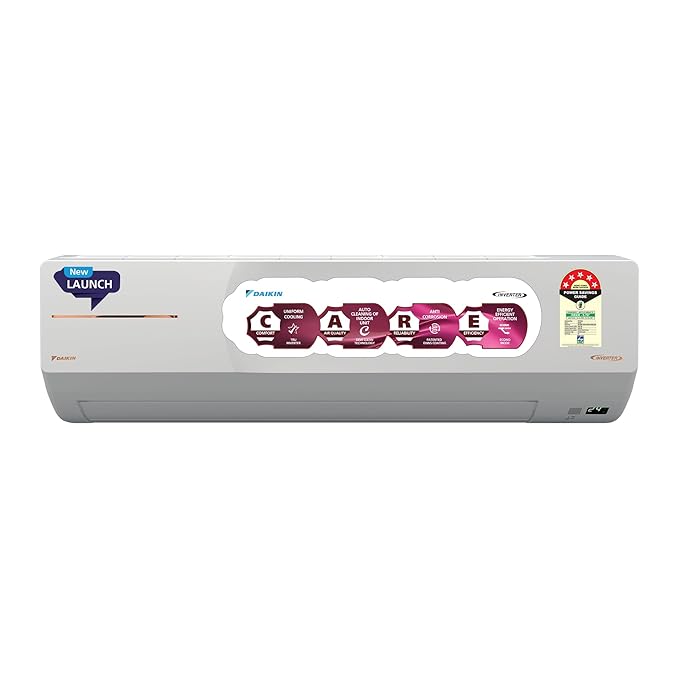
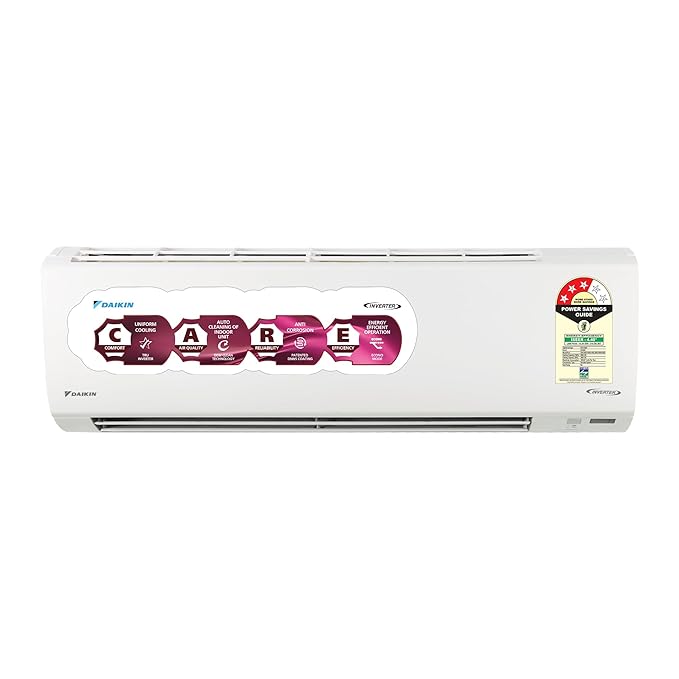
Daikin 1.5 Ton 5 Star Inverter Split AC
Daikin 1.5 Ton 5 Star Inverter Split AC (Copper, PM 1.0, Apataito Filter, ATKM50UV16VA), Split AC with inverter Swing compressor and Hepta Sense, 5 Star: Energy efficiency,Copper Condenser Coil: Better cooling and requires low maintenance
- key features:Inverter Technology, Coanda Airflow & 3D Airflow, PM 1.0/2.5 Filtration, DNNS Self-Healing Coating, Power Chill / Turbo Cooling, Dew Clean Technology
- Special Feature: 3D Airflow, Apataito Filter, DNNS Self Heal Coating, Dew Clean Technology, Hepta Sense
- Capacity: 1.5 Tons
- How to Use: Room Cooling & Comfort, Cleaner and Healthier Air, Automatic Self-Cleaning, Long-Lasting & Low Maintenance, Econo / Power Chill & 3D Airflow
Mitsubishi AC
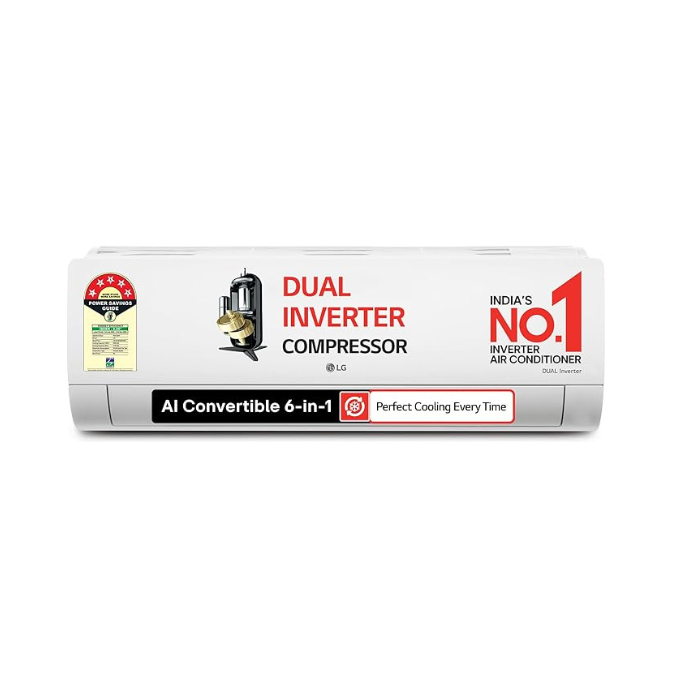
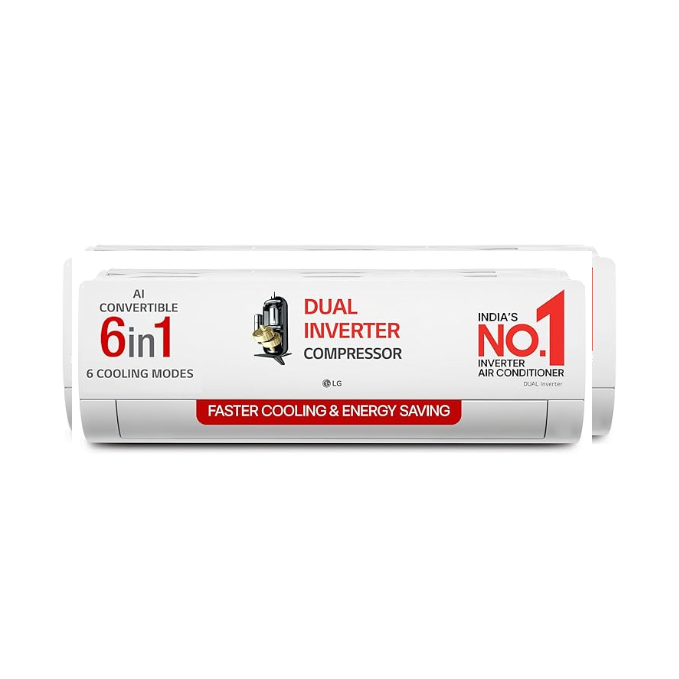
LG 1.5 Ton 5 Star DUAL Inverter Split AC
LG 1.5 Ton 5 Star DUAL Inverter Split AC(Copper, VIRAAT Mode, Faster Cooling & Energy Saving, HD Filter with Anti-Virus Protection, US-Q19YNZE3), Powerful Cooling with DUAL Inverter Compressor, Energy Rating: 5 Star, Copper Condensor, Smart Diagnosis System.
- key features: Dual Inverter Compressor, AI Convertible 6-in-1, ADC Sensor, Cools at 55⁰ C, Stabilizer free operation within 120V-290V voltage range
- Special Feature: 4 Way Swing, Auto Clean, Fast Cooling, Inverter Compressor, Remote Controlled, Monsoon Comfort/Fresh Dry, Mute Function, Sleep Mode
- Capacity: 1.5 Tons
- How to Use: Room Cooling & Comfort, Cleaner and Healthier Air, Automatic Self-Cleaning, Long-Lasting & Low Maintenance, Econo / Power Chill & 3D Airflow
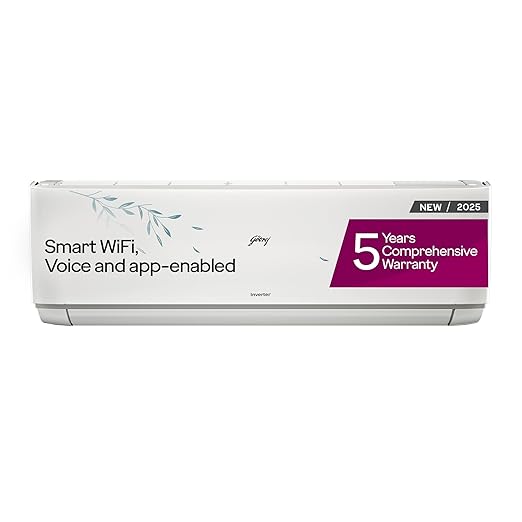
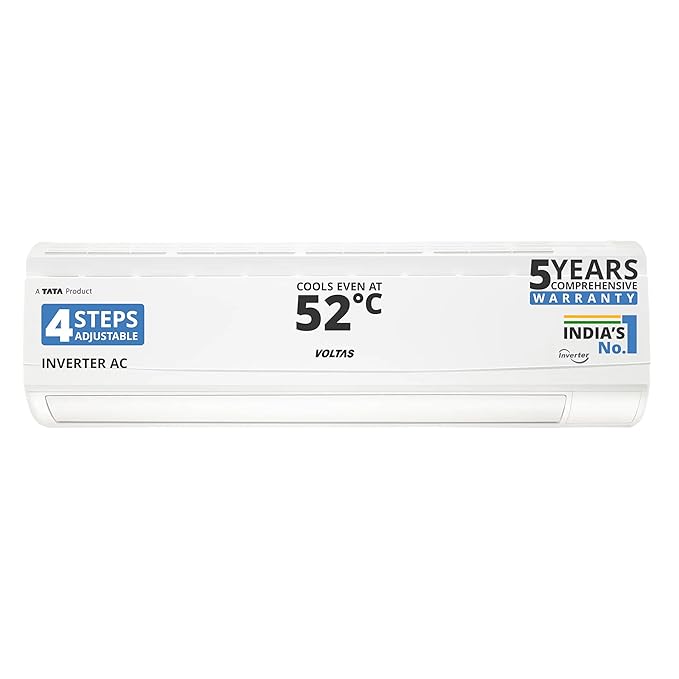
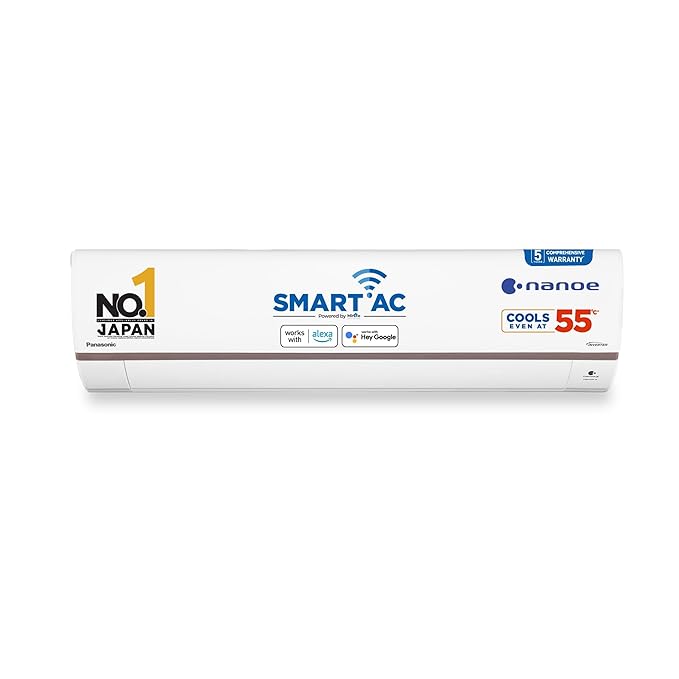
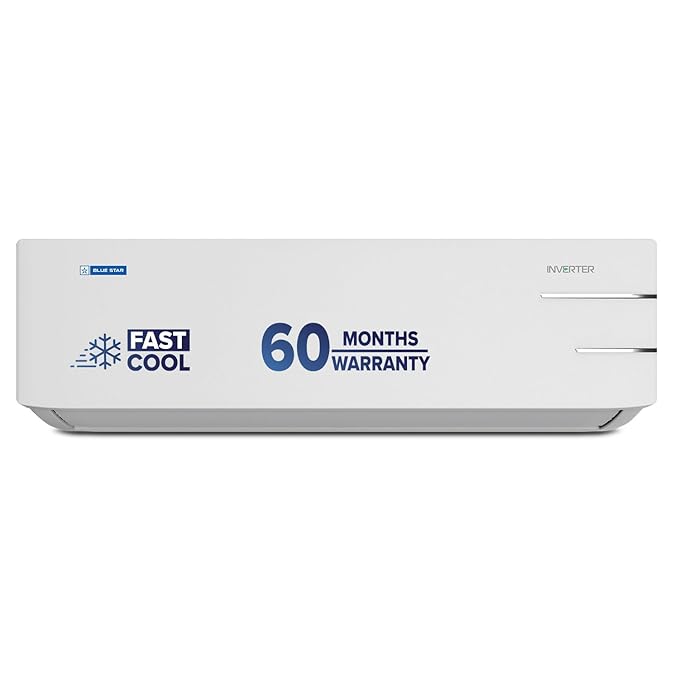
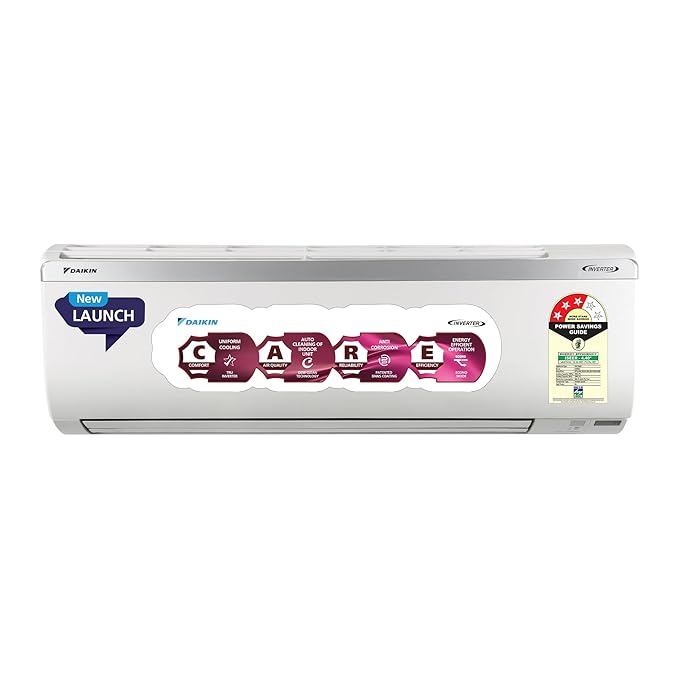
Daikin 1.5 Ton 5 Star Inverter Split AC
Daikin 1.5 Ton 5 Star Inverter Split AC (Copper, PM 1.0, Apataito Filter, ATKM50UV16VA), Split AC with inverter Swing compressor and Hepta Sense, 5 Star: Energy efficiency,Copper Condenser Coil: Better cooling and requires low maintenance
- key features:Inverter Technology, Coanda Airflow & 3D Airflow, PM 1.0/2.5 Filtration, DNNS Self-Healing Coating, Power Chill / Turbo Cooling, Dew Clean Technology
- Special Feature: 3D Airflow, Apataito Filter, DNNS Self Heal Coating, Dew Clean Technology, Hepta Sense
- Capacity: 1.5 Tons
- How to Use: Room Cooling & Comfort, Cleaner and Healthier Air, Automatic Self-Cleaning, Long-Lasting & Low Maintenance, Econo / Power Chill & 3D Airflow
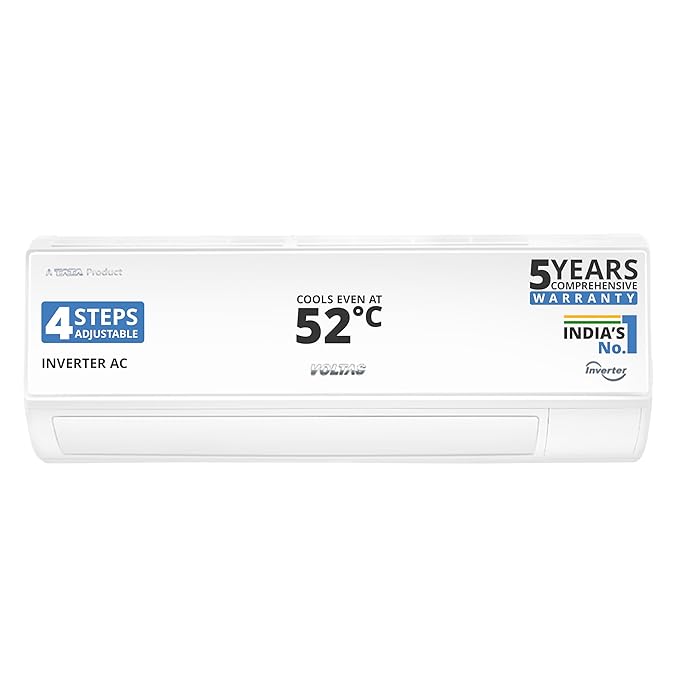
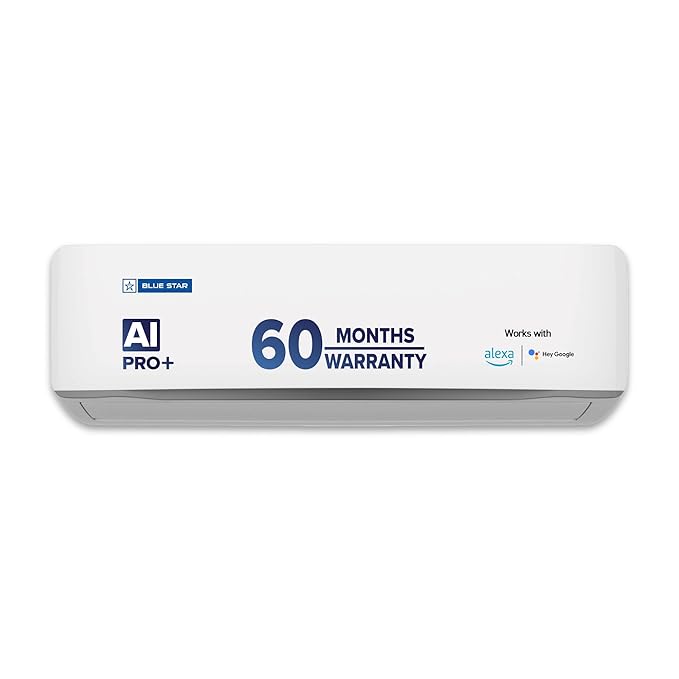
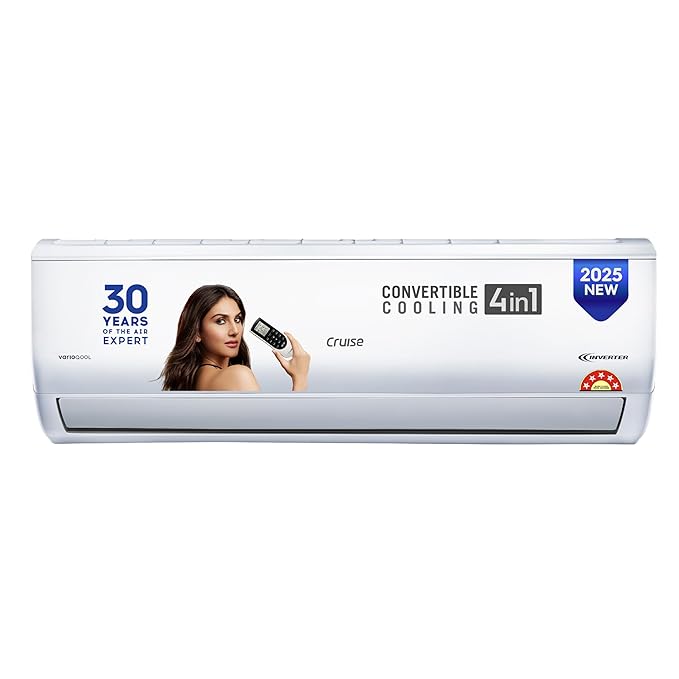
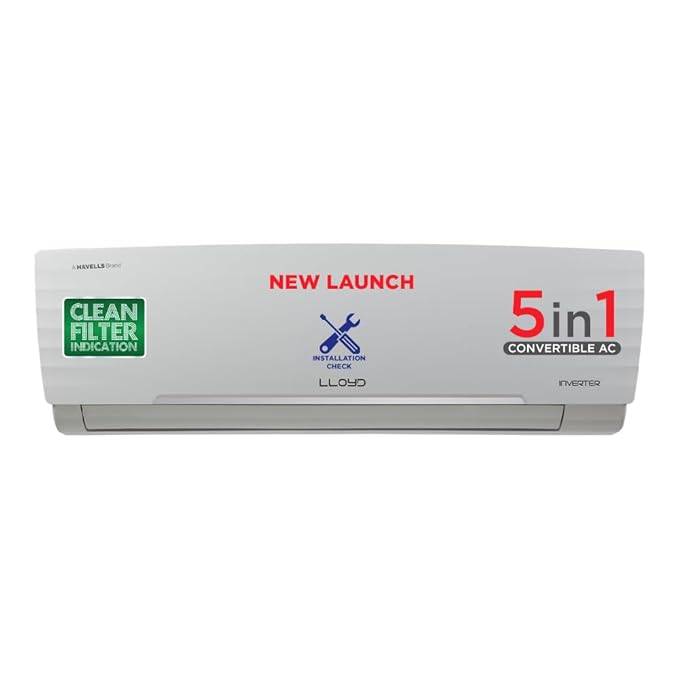
The “Mistake” You Must Avoid: Copper vs. Aluminium
If a salesman tries to sell you an AC with an aluminium condenser because it’s “cheaper,” walk away.
The Reality: In India’s humid and polluted climate, aluminium condensers corrode and leak gas within 1-2 years.
The Expert Choice: 100% Copper is non-negotiable. It’s easier to repair, has better heat exchange, and lasts a decade. Brands like Daikin and Mitsubishi prioritize copper because it handles the “heavy lifting” of extreme heat.
The Clash of Titans: Daikin AC vs. Mitsubishi AC vs. O General AC
| Feature | Daikin AC (FTKM Series) | Mitsubishi Heavy Duty AC | O General AC |
| Cooling Tech | Swing Compressor | Scroll/Twin Rotary | Hyper Tropical |
| Best For | Energy Efficiency & Tech | Extreme 52°C Heat | Brutal Durability |
| Smart Features | High (Miraie/App) | Moderate (Remote App) | Basic/Manual Focus |
| Service Network | Excellent (Wide) | Limited (Urban) | Moderate |
The Verdict on “Extreme Heat”
If you live in a top-floor apartment in Rajasthan or Delhi, Mitsubishi Heavy Duty AC or O General AC are your best bets. They are built with oversized outdoor units designed to never “trip” even when the sun is melting the pavement. Daikin AC is the smarter, more refined choice for bedrooms where silence and electricity savings are the priority.
Pros, Cons & Power Usage: Daikin AC vs. Mitsubishi AC
Daikin AC
Pros: Incredible energy savings (ISEER ratings often lead the market); best-in-class service network in India; very smart mobile app features.
Cons: The “soft” cooling might feel slow to someone used to old-school, high-blast ACs.
Mitsubishi AC
Pros: “Tank-like” build quality; massive airflow throw (reaches the far corners of big rooms); stays ice-cold even in 50°C heat.
Cons: Can be significantly more expensive; finding an authorized technician in smaller towns can be a challenge.
Daikin AC “Hot and Cold”: The All-Season Solution
The Daikin AC Hot and Cold series is the ultimate “Emotion” buy.
The Experience: Imagine not needing a dry air heater. This AC reverses its cycle to provide cozy, humidified warmth. It’s one machine for all 365 days of the year.
Why Japanese AC Brands Rule the Market
Japanese brands like Daikin, Mitsubishi, and Panasonic are widely considered the best Japanese AC brands because they treat cooling as a science. While budget brands focus on fancy plastic and LED displays, these brands focus on the “Heart” of the AC: the compressor.
Daikin AC Review: The Balanced Performer
Daikin is the “People’s Premium” brand.
The Emotion: It’s that silent, steady cooling that you forget is even there. It’s reliable, smart, and doesn’t scream for attention.
The Tech: Their Swing Compressor is a masterpiece of friction reduction, meaning it lasts longer and stays quieter than almost any other brand.
Best For: Families who want high-tech features (like the Miraie app) and an extensive service network across India.
Split AC vs. Window AC: The Power Consumption Reality
One of the biggest myths is that Window ACs are “tougher.” In reality, they are often just “noisier” and “hungrier.”
Split Inverter AC: In 2026, a 1.5-ton 5-star Split AC consumes roughly 0.7 to 1.1 units per hour once the room is cooled. Because the compressor can slow down to 10% capacity, it’s like a car idling at a red light.
Window AC: Even a 5-star Window AC rarely matches the efficiency of a Split. Expect to use 1.2 to 1.6 units per hour.
The “Sleep” Factor: A Split AC operates at 21–30 dB (like a whisper), while a Window AC hums at 50+ dB (like a conversation). Your sleep quality is the hidden cost of a Window AC.
Why Split Inverter ACs Win for Extreme Heat
In 2026, Window ACs are struggling to keep up. A Split Inverter is superior because:
Variable Speed: It doesn’t just turn “On” and “Off.” It slows down to maintain a steady chill, saving up to 40% power.
Strategic Placement: You can mount a split unit higher on the wall for better hot air displacement.
Consumption: A 1.5 Ton Split Inverter uses ~1.0 unit/hour, while a Window AC often eats 1.5+ units/hour.
FAQ
Which is better: O General AC or the Mitsubishi Heavy Duty AC?
It’s a tie. O General AC has a slightly better “throw” (airflow distance), while Mitsubishi AC is often cited as the most reliable Japanese AC brand globally for longevity.
Can I control my Mitsubishi AC via an app?
Yes, most 2026 Mitsubishi models are compatible with the Mitsubishi AC Remote App (via a Wi-Fi dongle), allowing you to pre-chill your room before you leave the office.
Is Daikin AC better than O General AC?
Daikin is better for your wallet (efficiency) and service availability. O General is better for “raw” cooling power in massive living rooms.
Which Japanese AC brand lasts the longest?
Historically, Mitsubishi Heavy Duty AC and O General AC are known to last 12-15 years with basic maintenance because they use thicker metal and more robust compressors.
Is Daikin AC better than Mitsubishi AC?
Daikin is better for technology and service. Mitsubishi is better for raw cooling power in extreme 50°C+ conditions.